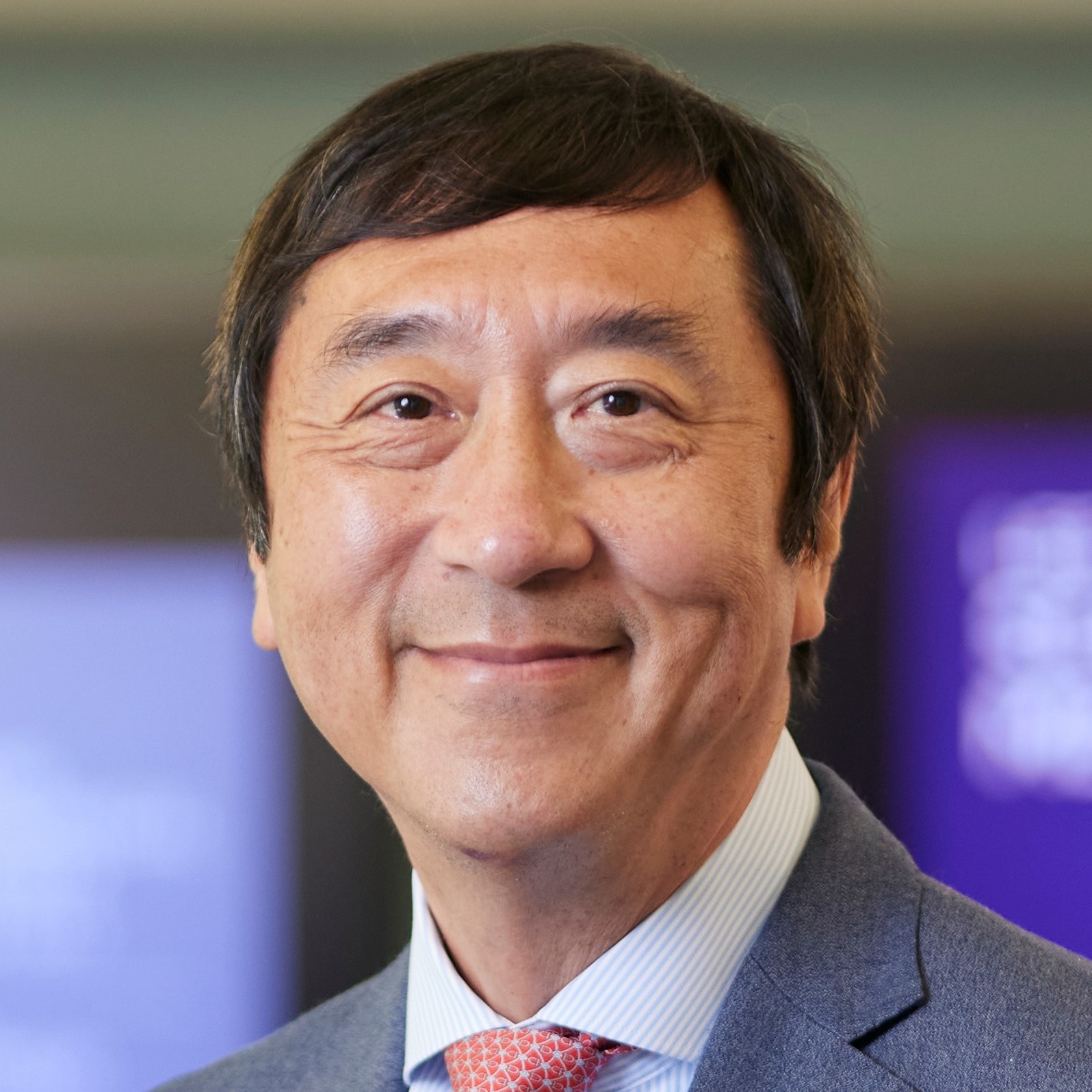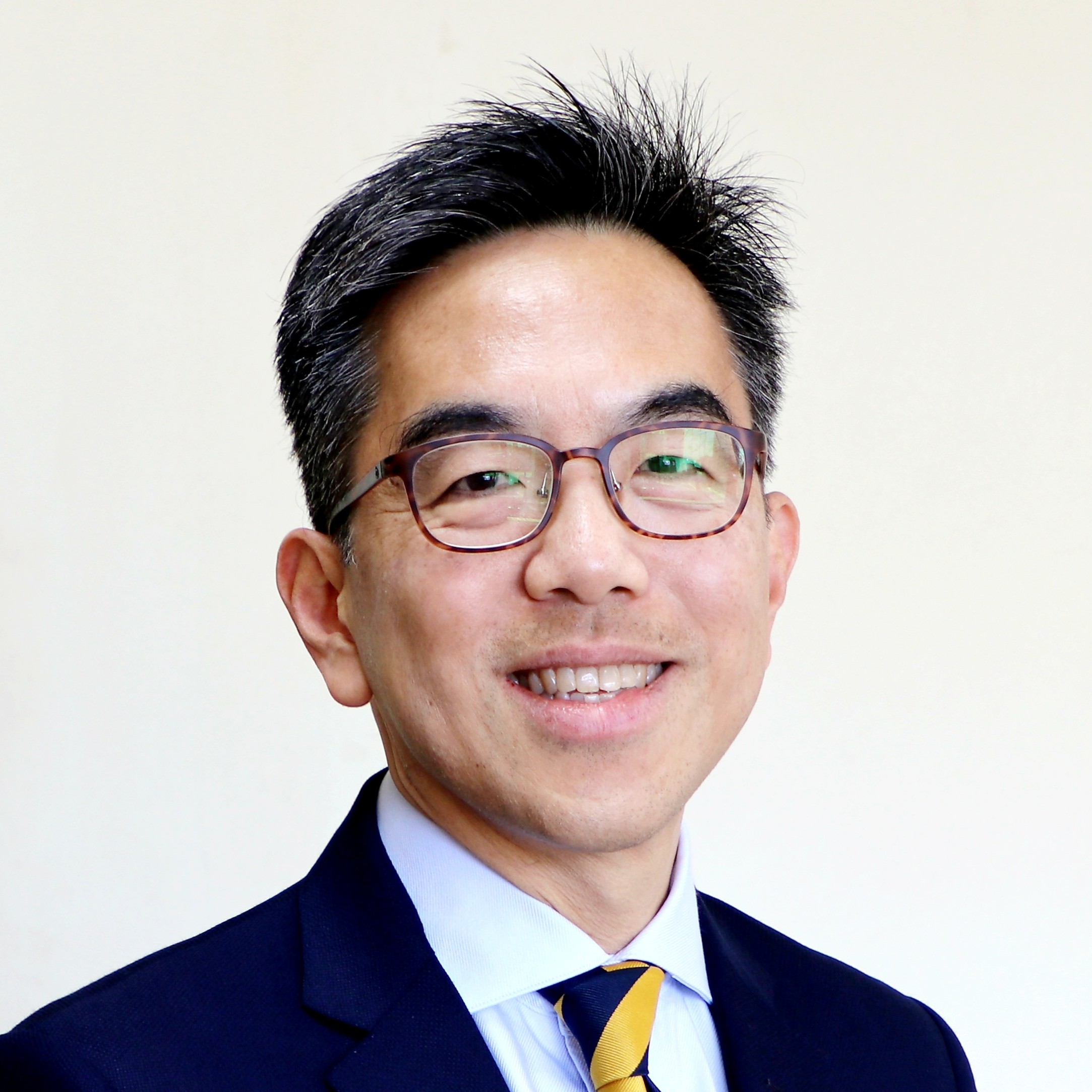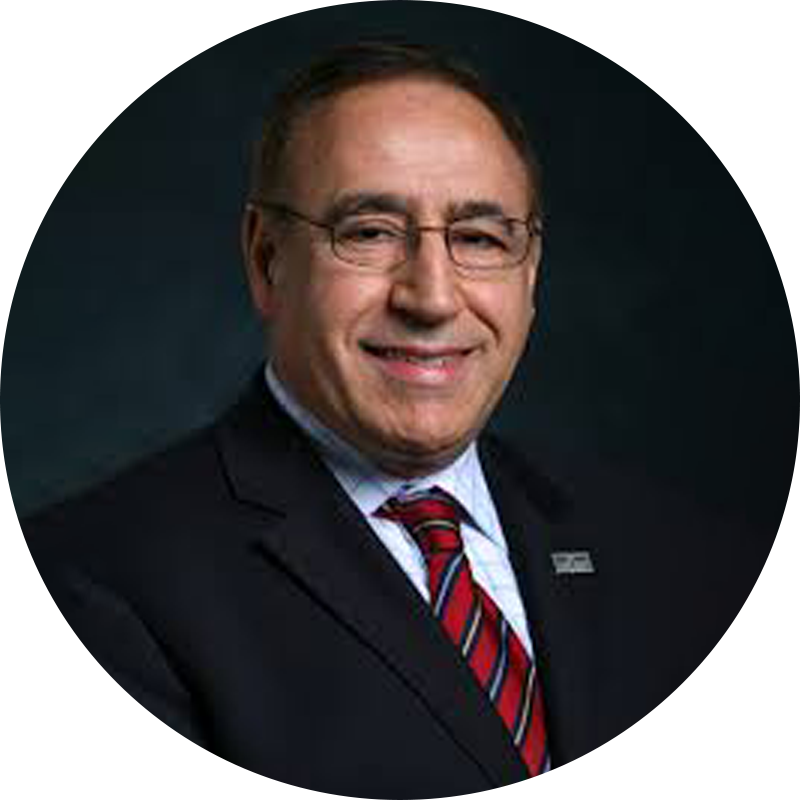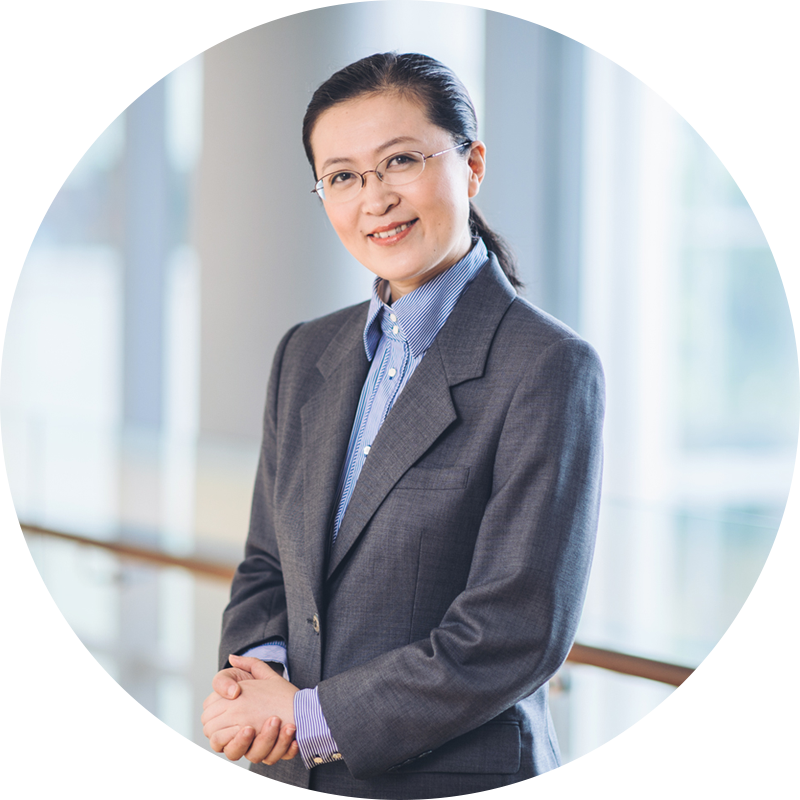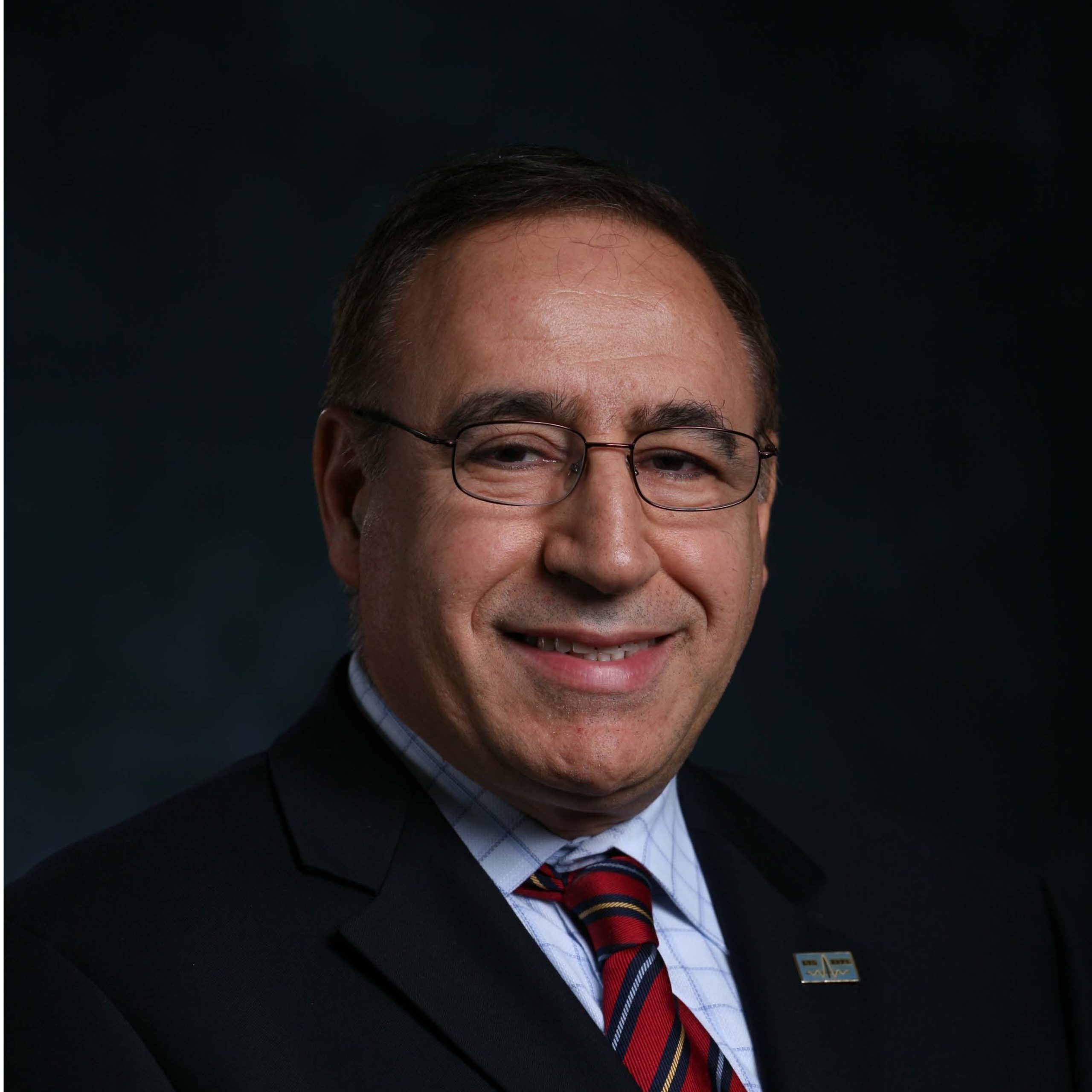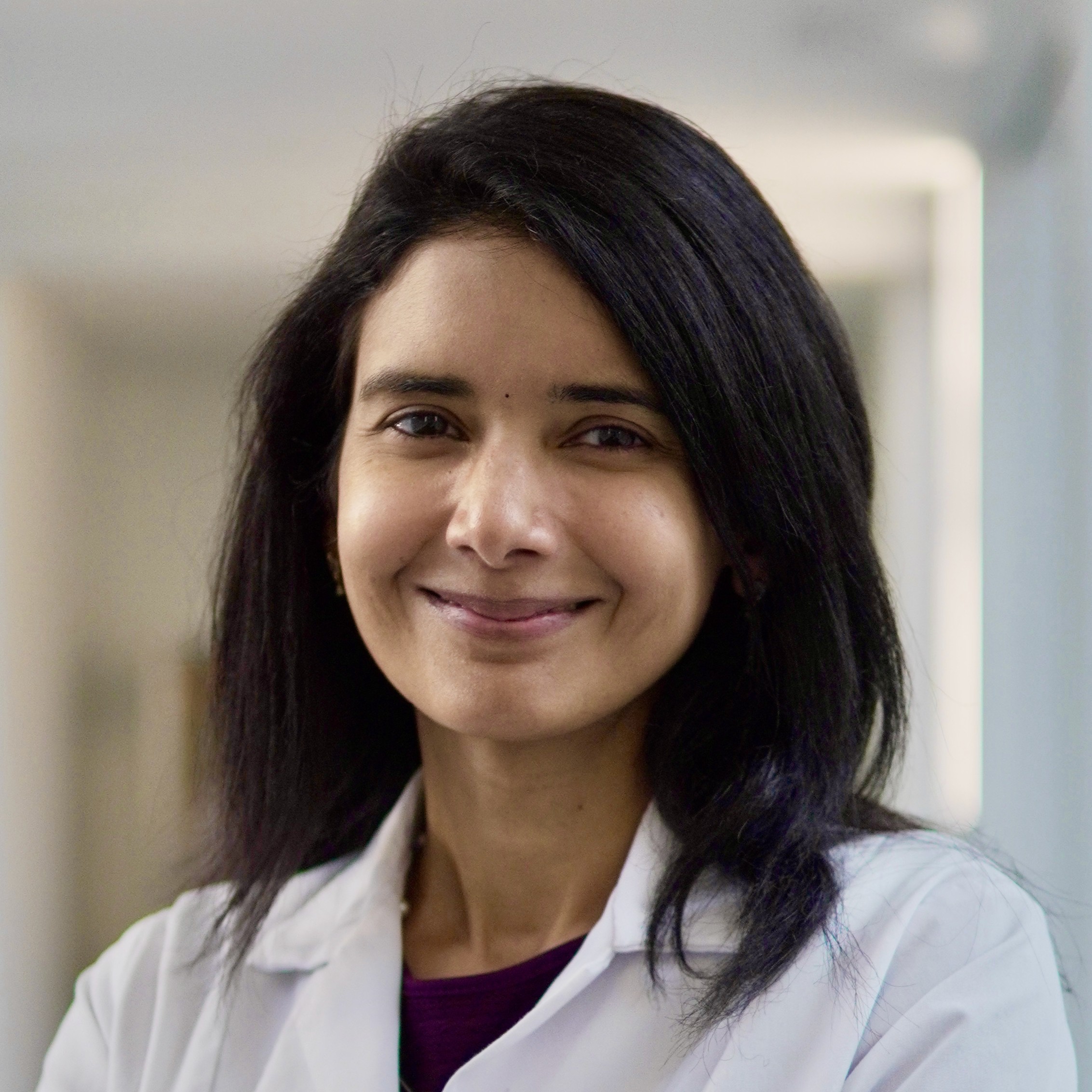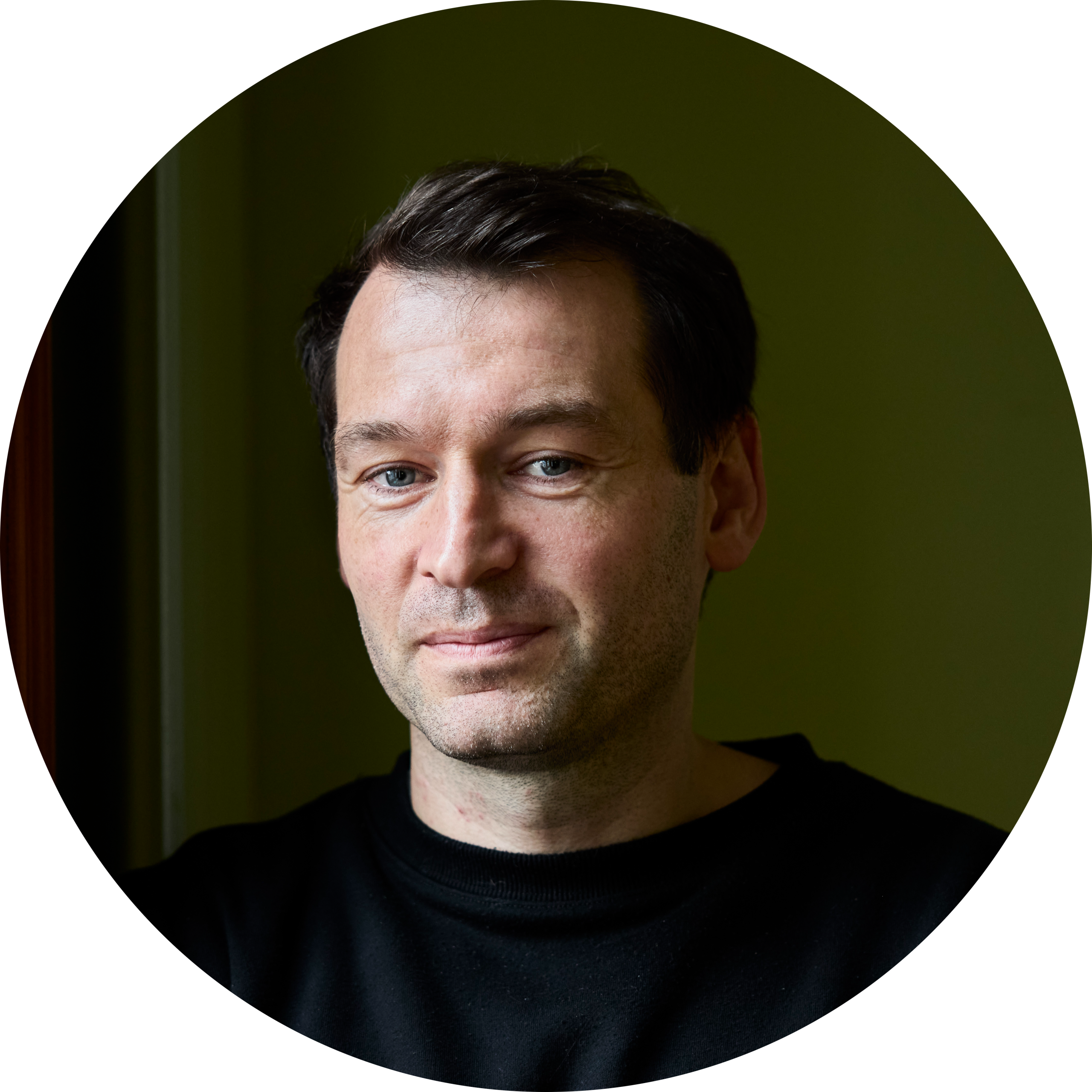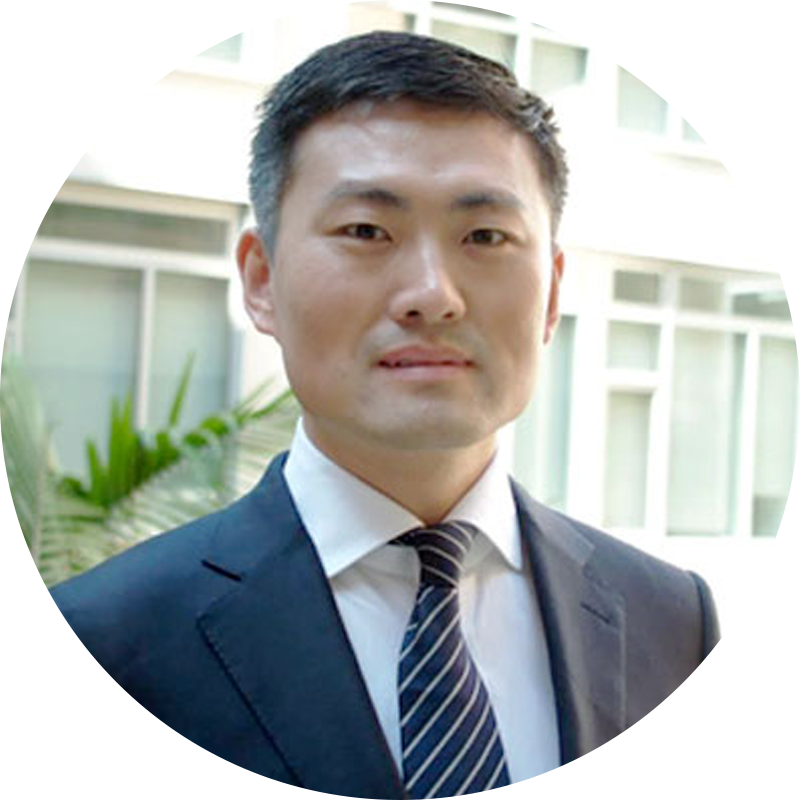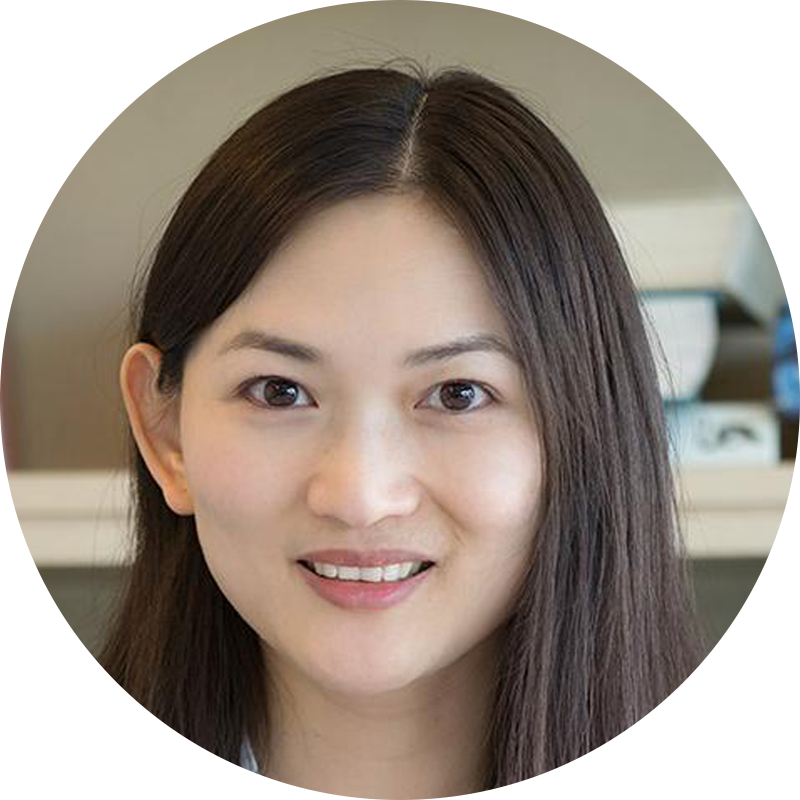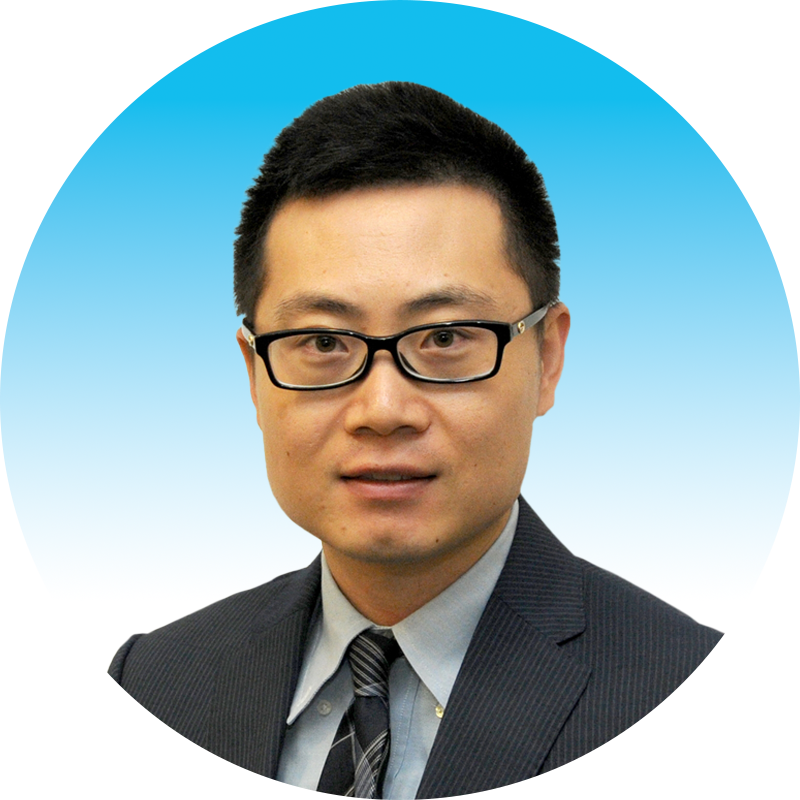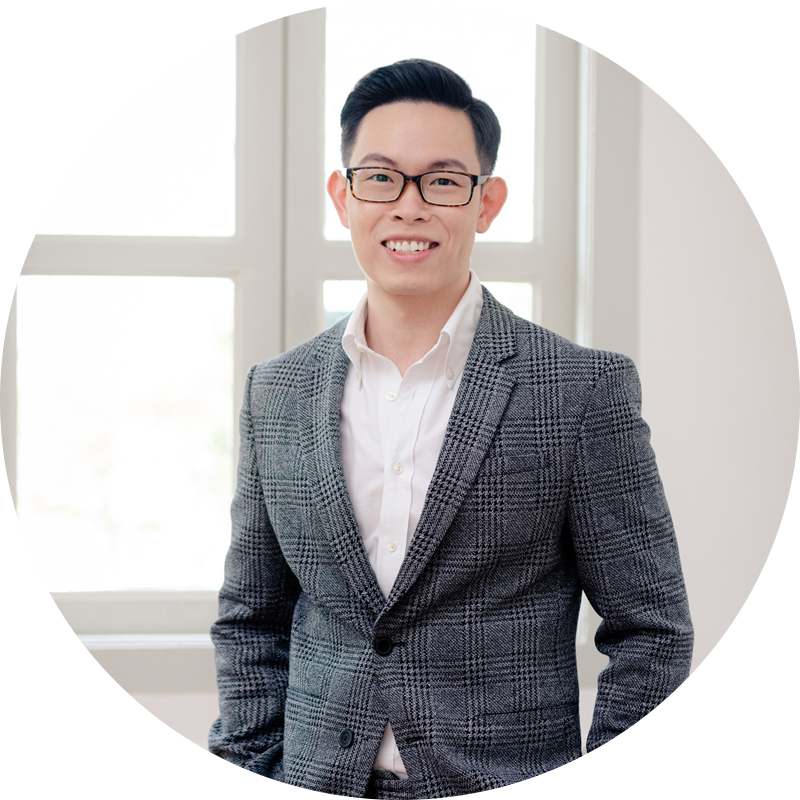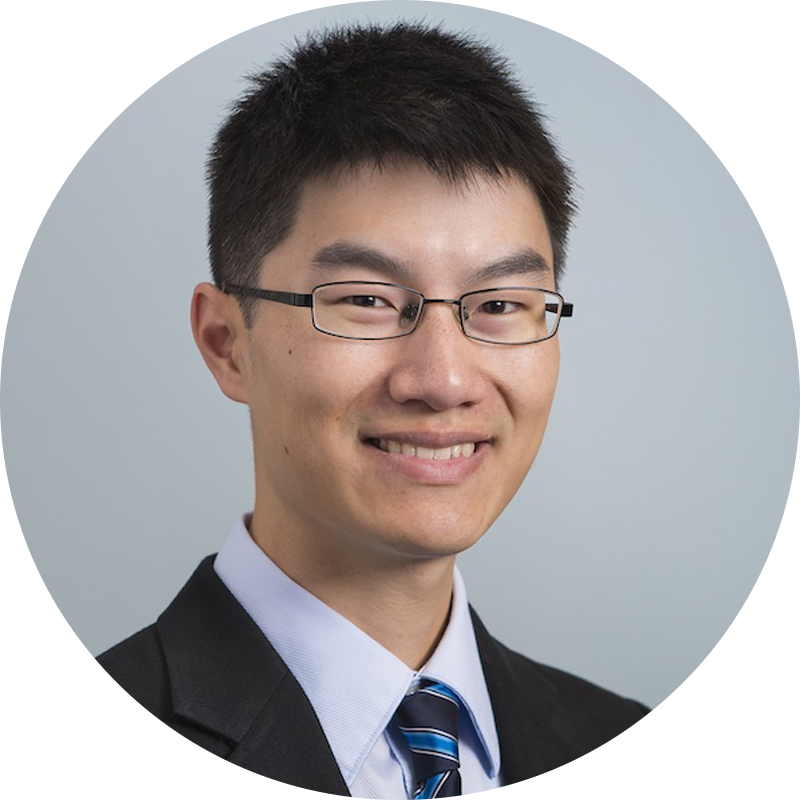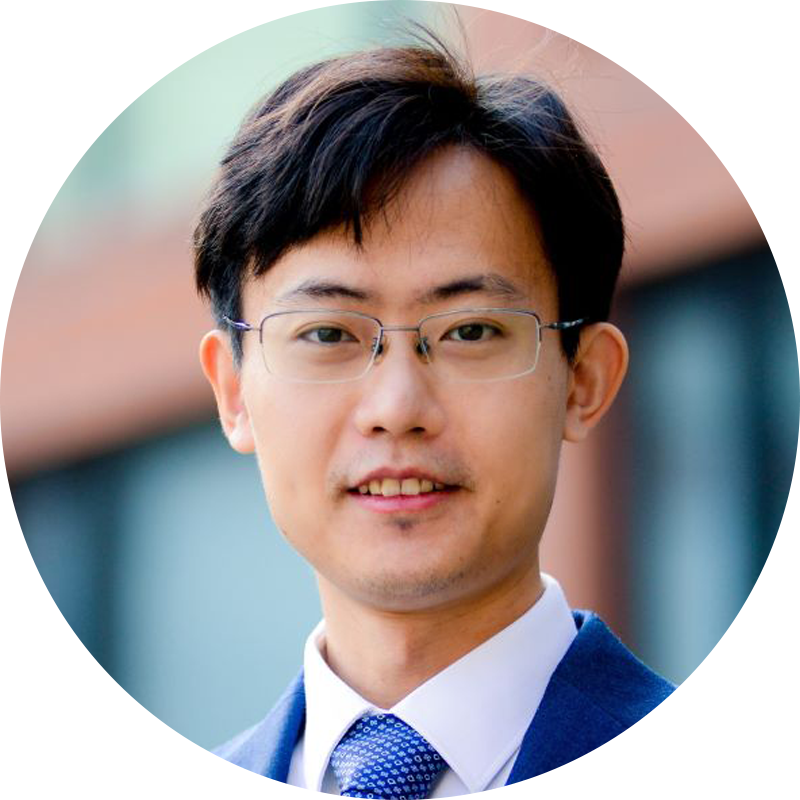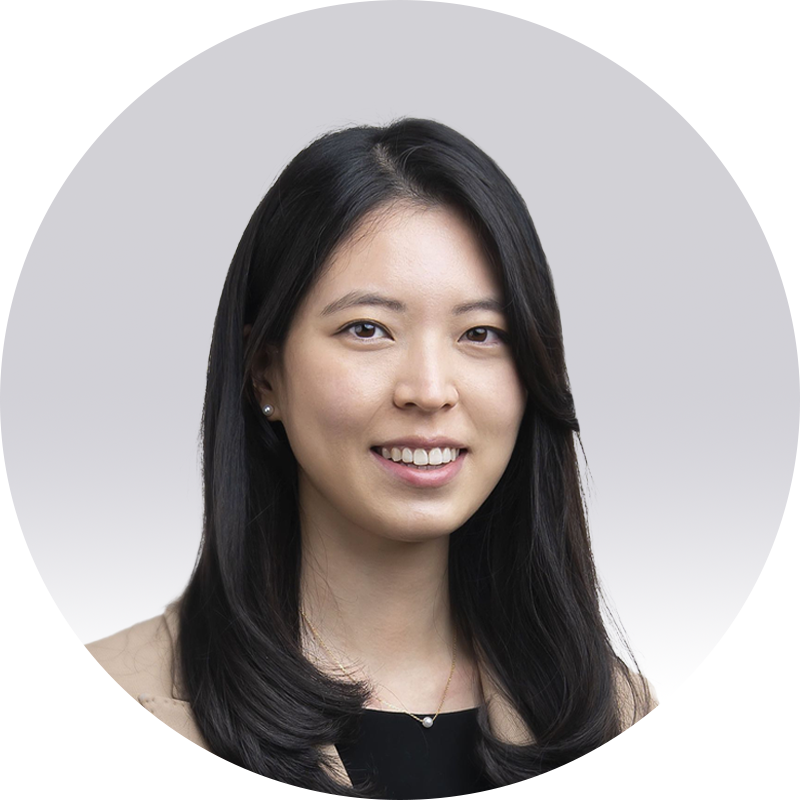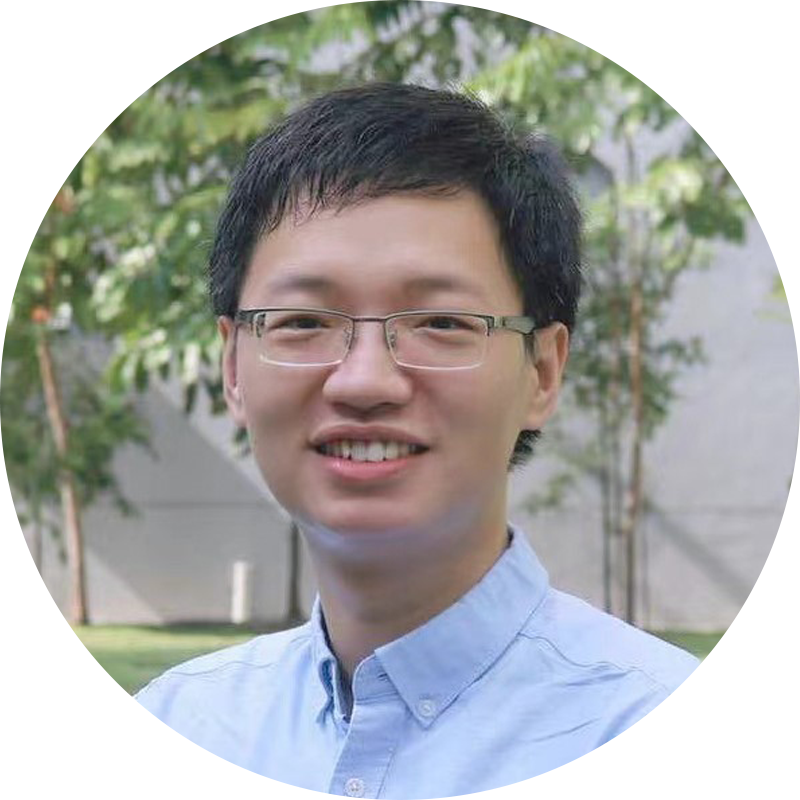
SAIC Endowed Chair and Distinguished Professor, University of California San Diego
Fellow RSC, AIMBE and ECS
Member, US National Academy of Inventors (NAI)
Member, European Academy of Sciences and Arts
Member, European Academy of Engineering (EAE)

Permanent Secretary, National Research and Development
Permanent Secretary, Public Sector Science and Technology Policy and Plans Office
Chairman, Agency for Science, Technology and Research
Chairman, Ministry of Health, Office for Healthcare Transformation
More speakers will be added.
| Name | Institution |
|---|---|
| Ye AI | Singapore University of Technology and Design |
| Yokoi AKIRA | Nagoya University |
| Satoshi ARATAKE | Singapore University of Technology and Design |
| Punn AUGSORNWORAWAT | Mahidol University |
| Czarny BERTRAND | Nanyang Technological University |
| Dhiraj BHATIA | Indian Institute of Information Technology Gandhinagar |
| Sunil BOBA | Indian Institute of Information Technology Madras |
| Yuhong CAO | Chinese Academy of Sciences |
| Barbara CHAN | Chinese University of Hong Kong |
| Pei Song CHEE | Sunway University |
| Jinmiao CHEN | Duke-NUS |
| Chia-Hung CHEN | City University of Hong Kong |
| Fang CHEN | Shanghai Jiao Tong University |
| Kangfu CHEN | Beijing Institute of Technology |
| Jiah Shin CHIN | A*STAR SRL |
| Sooyeon CHO | Sungkyunkwan University |
| Yeonsik CHOI | Yonsei University |
| Deepak CHOUDHURY | A*STAR, BTI |
| Li-An CHU | Nat’l Taiwan University |
| Wojciech CHRZANOWSKI | Sydney University |
| Alvin CHUA | Singapore General Hospital |
| Ha Uk CHUNG | Korea University |
| Xiaolin CUI | Chinese University of Hong Kong, Shenzhen |
| Andrew DEAGON | SONA Global |
| Ishara DHARMASENA | Loughborough University |
| Shichao DING | Westlake University |
| Yao DU | ACTXA |
| Rongke GAO | China University of Petroleum (East China) |
| Kenichi FUNAMOTO | Tohoku University |
| Yujia GAO | Nat’l University Health System |
| Zigang GE | Peking University |
| Feng GUO | Indiana University |
| Yoshikazu HIRAI | Kyoto University |
| Mengdi HAN | Peking University |
| Pingping HAN | The University of Queensland |
| Hongjie HU | Peking University |
| Ya HUANG | Fudan University |
| Mooseok JANG | Korea Advanced Institute of Science & Technology |
| Myeong Jin JU | University of British Columbia |
| Sung Kim HYE | Dankook University |
| Priyanka JAIN | Birla Institute of Technology and Science, Pilani |
| Pakorn (Tony) KANCHANAWONG | NUS |
| Bee Luan KHOO | City University of Hong Kong |
| Jayoung KIM | Yonsei University |
| Sven KREUTEL | Particle Metrix GmbH |
| Navin KUMAR VERMA | Nanyang Technological University |
| Jiao Jiao LI | University of Technology Sydney |
| Lei LI | NUS |
| Zhong (Alan) LI | Chinese University of Hong Kong |
| Kun LIANG | Nanyang Technological University |
| Jiaqi LIU | City University of Hong Kong |
| Nan LIU | Beijing Normal University |
| Xinyu LIU | Peking University |
| Yuya MORIMOTO | Waseda University |
| Alessia LONGONI | University of Sydney |
| Kenny MAN | University Medical Center Utrecht |
| Haiquan MAO | Johns Hopkins University |
| Naoji MATSUHISA | The University of Tokyo |
| Name | Institution |
|---|---|
| Moeto NAGAI | Toyohashi University of Technology |
| Keiichi NAKAGAWA | The University of Tokyo |
| Kewang NAN | Zhejiang University |
| Binulal NELSON SATHY | Amrita Vishwa Vidyapeetham |
| Kee Woei NG | Nanyang Technological University |
| Xiaoyue NI | Duke University |
| Yang NING | Sun Yat-sen University |
| Hnin Yin Yin NYEIN | Hong Kong University of Science and Technology |
| Thanh NYUGEN | University of Connecticut |
| Huan Ting ONG | NUS |
| Hiroki OTA | Yokohama Nat’l University |
| Wei OUYANG | Dartmouth College |
| Juhyuk PARK | Seoul Nat’l University |
| Indira PRASADAM | Queensland University of Technology |
| Will QIAO | University of Hong Kong |
| Khalil RAMADI | New York University Abu Dhabi |
| Donghee SON | Yonsei University |
| Sanjay SAXENA | Indian Institute of Information Technology Vadodara |
| Yu SONG | City University of Hong Kong |
| Gopu SRIRAM | NUS |
| Yu Jun TAN | NUS |
| Bingyao TAN | Singapore Eye Research Institute |
| Songsong TANG | University of Science and Technology of China |
| Andy Kah Ping TAY | NUS |
| Jeremy TEO | New York University Abu Dhabi |
| Greeshma THRIVIKRAMAN | Indian Institute of Information Technology Madras |
| Xi TIAN | Tsinghua University |
| Daniel Shu Wei TING | SingHealth Duke-NUS |
| Vivek TIWARI | Indian Institute of Science Education and Research |
| Wei Seong TOH | NUS |
| Poornima VIJAYAN | Singapore University of Technology and Design |
| Jiaobing TU | NUS |
| Pratishtha VERMA | Nat’l Institute of Technology, Kurukshetra |
| Minqiang WANG | Shanghai Jiao Tong University |
| Siu-lun Alan WONG | The University of Hong Kong |
| Wenhui WANG | Tsinghua University |
| Xi WANG | Institut Jacques Monod |
| Hao WU | Huazhong University of Science and Technology |
| Nan XIANG | Southeast University |
| Xiaomin XU | Tsinghua University |
| Kento YAMAGISHI | Tokyo University of Agriculture and Technology |
| Long YANG | Guizhou Medical University |
| Daisuke YOSHINO | Tokyo University of Agriculture and Technology |
| Yiyuan YANG | NUS |
| Takao YASUI | Nagoya University |
| Dan YUAN | The University of Queensland |
| Jennifer YOUNG | NUS |
| Longteng YU | Beihang University |
| Jun ZHANG | Griffith University |
| Kyungho YOON | Yonsei University |
| Ruochong ZHANG | A*Star |
| Qianbin ZHAO | Hebei University of Technology |
| Xu ZHANG | Tianjin Medical University |
| Zhuang ZHANG | Fudan University |
| Liangli ZHEN | A*Star |
| Xinting ZHENG | A*Star |
| Liang ZHONG | Duke-NUS |
| Yingning ZHOU | University of Macau |
| Yuqing ZHENG | Peking University |
| Guiping ZHU | Nanjing University of Aeronautics and Astronautics |
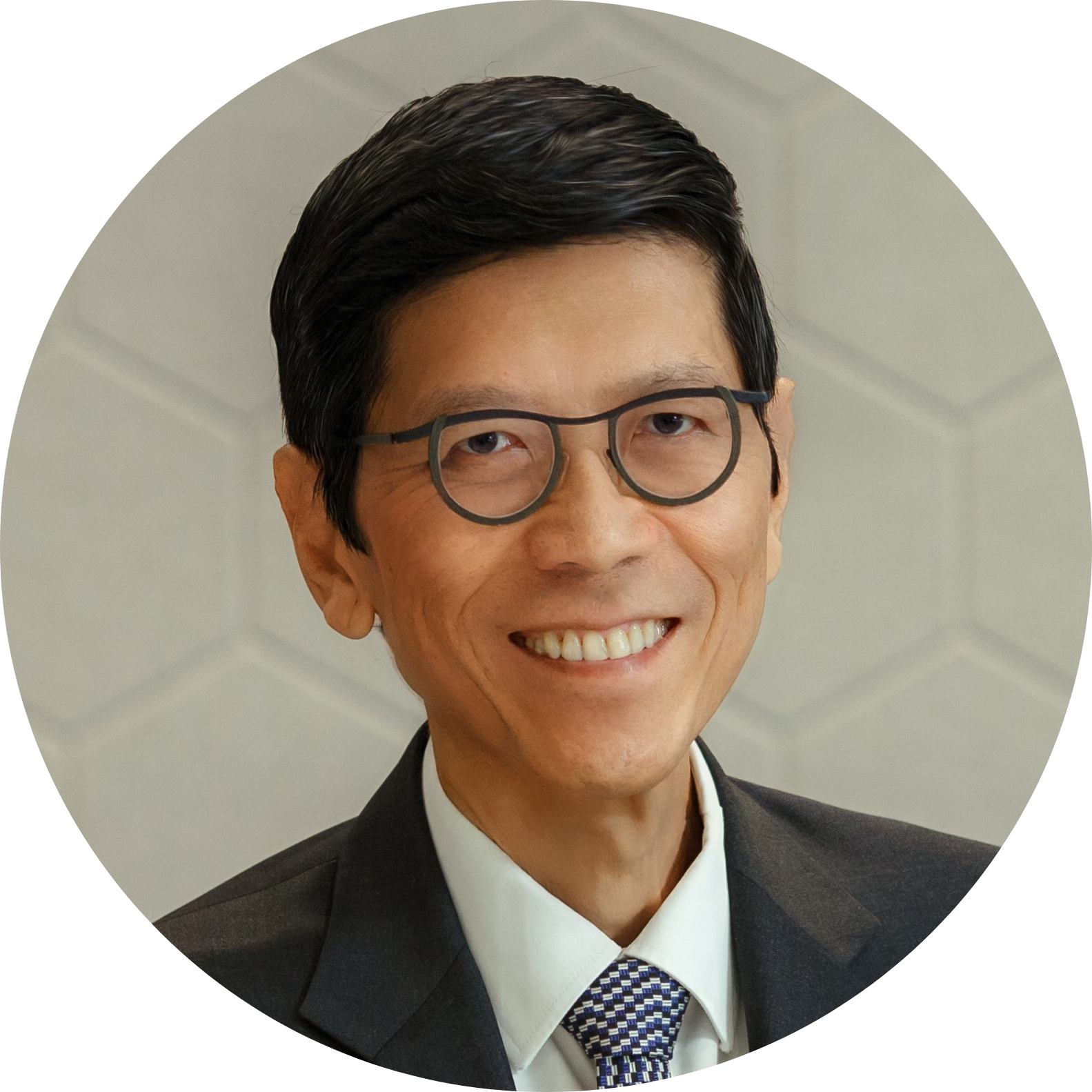
Permanent Secretary, National Research and Development
Permanent Secretary, Public Sector Science and Technology Policy and Plans Office
Chairman, Agency for Science, Technology and Research
Chairman, Ministry of Health, Office for Healthcare Transformation
More speakers will be added.
More speakers will be added.
At the ICBME Conference, we are dedicated to celebrating the achievements of promising young researchers in the field of biomedical engineering. Our “BME Rising Stars” awards recognize exceptional individuals, who will be given an opportunity to present their work during a special session at this conference.
| Name | Institution |
|---|---|
| Ye AI | Singapore University of Technology and Design |
| Yokoi AKIRA | Nagoya University |
| Satoshi ARATAKE | Singapore University of Technology and Design |
| Punn AUGSORNWORAWAT | Mahidol University |
| Czarny BERTRAND | Nanyang Technological University |
| Dhiraj BHATIA | Indian Institute of Information Technology Gandhinagar |
| Sunil BOBA | Indian Institute of Information Technology Madras |
| Yuhong CAO | Chinese Academy of Sciences |
| Barbara CHAN | Chinese University of Hong Kong |
| Pei Song CHEE | Sunway University |
| Jinmiao CHEN | Duke-NUS |
| Chia-Hung CHEN | City University of Hong Kong |
| Fang CHEN | Shanghai Jiao Tong University |
| Kangfu CHEN | Beijing Institute of Technology |
| Jiah Shin CHIN | A*STAR SRL |
| Sooyeon CHO | Sungkyunkwan University |
| Yeonsik CHOI | Yonsei University |
| Deepak CHOUDHURY | A*STAR, BTI |
| Li-An CHU | Nat’l Taiwan University |
| Wojciech CHRZANOWSKI | Sydney University |
| Alvin CHUA | Singapore General Hospital |
| Ha Uk CHUNG | Korea University |
| Xiaolin CUI | Chinese University of Hong Kong, Shenzhen |
| Andrew DEAGON | SONA Global |
| Ishara DHARMASENA | Loughborough University |
| Shichao DING | Westlake University |
| Yao DU | ACTXA |
| Rongke GAO | China University of Petroleum (East China) |
| Kenichi FUNAMOTO | Tohoku University |
| Yujia GAO | Nat’l University Health System |
| Zigang GE | Peking University |
| Feng GUO | Indiana University |
| Yoshikazu HIRAI | Kyoto University |
| Mengdi HAN | Peking University |
| Pingping HAN | The University of Queensland |
| Hongjie HU | Peking University |
| Ya HUANG | Fudan University |
| Mooseok JANG | Korea Advanced Institute of Science & Technology |
| Myeong Jin JU | University of British Columbia |
| Sung Kim HYE | Dankook University |
| Priyanka JAIN | Birla Institute of Technology and Science, Pilani |
| Pakorn (Tony) KANCHANAWONG | NUS |
| Bee Luan KHOO | City University of Hong Kong |
| Jayoung KIM | Yonsei University |
| Sven KREUTEL | Particle Metrix GmbH |
| Navin KUMAR VERMA | Nanyang Technological University |
| Jiao Jiao LI | University of Technology Sydney |
| Lei LI | NUS |
| Zhong (Alan) LI | Chinese University of Hong Kong |
| Kun LIANG | Nanyang Technological University |
| Jiaqi LIU | City University of Hong Kong |
| Nan LIU | Beijing Normal University |
| Xinyu LIU | Peking University |
| Yuya MORIMOTO | Waseda University |
| Alessia LONGONI | University of Sydney |
| Kenny MAN | University Medical Center Utrecht |
| Haiquan MAO | Johns Hopkins University |
| Naoji MATSUHISA | The University of Tokyo |
| Name | Institution |
|---|---|
| Moeto NAGAI | Toyohashi University of Technology |
| Keiichi NAKAGAWA | The University of Tokyo |
| Kewang NAN | Zhejiang University |
| Binulal NELSON SATHY | Amrita Vishwa Vidyapeetham |
| Kee Woei NG | Nanyang Technological University |
| Xiaoyue NI | Duke University |
| Yang NING | Sun Yat-sen University |
| Hnin Yin Yin NYEIN | Hong Kong University of Science and Technology |
| Thanh NYUGEN | University of Connecticut |
| Huan Ting ONG | NUS |
| Hiroki OTA | Yokohama Nat’l University |
| Wei OUYANG | Dartmouth College |
| Juhyuk PARK | Seoul Nat’l University |
| Indira PRASADAM | Queensland University of Technology |
| Will QIAO | University of Hong Kong |
| Khalil RAMADI | New York University Abu Dhabi |
| Donghee SON | Yonsei University |
| Sanjay SAXENA | Indian Institute of Information Technology Vadodara |
| Yu SONG | City University of Hong Kong |
| Gopu SRIRAM | NUS |
| Yu Jun TAN | NUS |
| Bingyao TAN | Singapore Eye Research Institute |
| Songsong TANG | University of Science and Technology of China |
| Andy Kah Ping TAY | NUS |
| Jeremy TEO | New York University Abu Dhabi |
| Greeshma THRIVIKRAMAN | Indian Institute of Information Technology Madras |
| Xi TIAN | Tsinghua University |
| Daniel Shu Wei TING | SingHealth Duke-NUS |
| Vivek TIWARI | Indian Institute of Science Education and Research |
| Wei Seong TOH | NUS |
| Poornima VIJAYAN | Singapore University of Technology and Design |
| Jiaobing TU | NUS |
| Pratishtha VERMA | Nat’l Institute of Technology, Kurukshetra |
| Minqiang WANG | Shanghai Jiao Tong University |
| Siu-lun Alan WONG | The University of Hong Kong |
| Wenhui WANG | Tsinghua University |
| Xi WANG | Institut Jacques Monod |
| Hao WU | Huazhong University of Science and Technology |
| Nan XIANG | Southeast University |
| Xiaomin XU | Tsinghua University |
| Kento YAMAGISHI | Tokyo University of Agriculture and Technology |
| Long YANG | Guizhou Medical University |
| Daisuke YOSHINO | Tokyo University of Agriculture and Technology |
| Yiyuan YANG | NUS |
| Takao YASUI | Nagoya University |
| Dan YUAN | The University of Queensland |
| Jennifer YOUNG | NUS |
| Longteng YU | Beihang University |
| Jun ZHANG | Griffith University |
| Kyungho YOON | Yonsei University |
| Ruochong ZHANG | A*Star |
| Qianbin ZHAO | Hebei University of Technology |
| Xu ZHANG | Tianjin Medical University |
| Zhuang ZHANG | Fudan University |
| Liangli ZHEN | A*Star |
| Xinting ZHENG | A*Star |
| Liang ZHONG | Duke-NUS |
| Yingning ZHOU | University of Macau |
| Yuqing ZHENG | Peking University |
| Guiping ZHU | Nanjing University of Aeronautics and Astronautics |
More speakers will be added.
More speakers will be added.
Over the past 3 decades, Professor Wang has made pioneering contributions to the fields of wearable sensors, microrobots and bioelectronics. Wang is a member of the US Nat’l Academy of Inventors (NIA), and a fellow of the ECS, RSC, and AIMBE. He has authored over 1300 research papers, 12 books and 70 patents. He has been a Thomson Reuters Highly Cited Researcher since 2015 (H Index 223) with nearly 200,000 citations. Wang holds Honorary Professor from 10 different universities and is the recipient of three Nat’l American Chemical Society (ACS) Awards for Analytical Chemistry, Electrochemistry and Instrumentation, of the Pittcon Award in Bioanalytical Chemistry, of the Talanta Medal, 2021, the Breyer Medal (Australia), Heyrovsky Medal (Czech Republic), the Speirs Medal (RSC), IUPAC Analytical Chemistry Medal, and the IEEE Sensor Achievement Award, 2021.
He currently serves as Senior Associate Editor of Science Advances, and as Associate Editor of npj Flexible Electronics, Biosensors and Bioelectronics, and Sensors & Diagnostics. He is a recipient of the NSF Career Award, ONR Young Investigator Award, IAMBE Early Career Award, Sloan Research Fellowship, Pittcon Achievement Award, IEEE EMBS Early Career Achievement Award, IEEE EMBS Technical Achievement Award, IEEE Sensor Council Technical Achievement Award, MIT Technology Review 35 Innovators Under 35, and the Falling Walls Breakthrough of the Year in Engineering and Technology. He is also recognized as a World Economic Forum Young Scientist, and a Highly Cited Researcher (Web of Science, every year since 2020).
Prof. Gao is an elected Fellow of the American Institute for Medical and Biological Engineering (AIMBE), the Royal Society of Chemistry (RSC), and the Institute of Electrical and Electronics Engineers (IEEE). His research interests span wearable and implantable biosensors, digital medicine, bioelectronics, flexible electronics, additive manufacturing, and micro/nanorobotics.
For more information about his research, please visit www.gao.caltech.edu.
In this role, she leads a team dedicated to strengthening research and AI ecosystems to advance health equity across Member States. She oversees the development and dissemination of guidance, tools, and regional network on research for health and responsible AI. Before joining WHO, Mengji worked extensively on health innovation, data analytics, community engagement in diverse settings in the United States and India. She also co-founded a predictive data analytics startup and held leadership positions in digital health startups in China. Ms. Chen has a master’s degree in health science from Brandeis University and bachelor’s degree in Journalism and Communications from Tsinghua University.
She leads the Soft Robotics Lab and is the Director of the Advanced Robotics Centre. She holds a PhD in Robotics from the University of Genoa and an honorary doctorate from the University of Southern Denmark. A pioneer in soft robotics, she explores marine applications of soft robots and their use in the biomedical field, with a focus on eldercare. She has worked in humanoid and neuro-robotics, applying brain models in humanoid robots. Prof Laschi is Editor-in-Chief of Bioinspiration & Biomimetics and holds key editorial roles in top robotics journals. An IEEE Fellow and active member of various scientific societies, she founded the IEEE International Conference on Soft Robotics (RoboSoft). She also co-founded RoboTech, a spin-off company in edutainment robotics.
For more information about her research, please visit https://www.softroboticslab.info/.
His research integrates materials science, immunoengineering, and nanotechnology to develop biomaterials and nanotherapeutic platforms for tissue repair, stem cell delivery, immune modulation, and nucleic acid and protein delivery. Dr. Mao led the development of kinetically controlled nanoparticle assembly and scalable manufacturing approaches for nucleic acid therapeutics, including lipid and polymer nanoparticles for mRNA, DNA, and genome-editing delivery. He also developed injectable nanofiber–hydrogel composites and electrospun biomaterial scaffolds for regenerative medicine and immune modulation. His work has resulted in more than 250 peer-reviewed publications and more than 40 issued patents. Dr. Mao is a Fellow of the Nat’l Academy of Inventors, the American Institute for Medical and Biological Engineering, and the Royal Society of Chemistry.
He also serves as Director General of the Division of University Corporate Relations with oversight of startup initiatives. Recognized as an inventor of e-skins which was featured in TIME Magazine as one of the best inventions in 2005, his current research focuses on next-generation wearables with organic electronics for application to healthcare, biomedical, and robotics. He earned his doctorate in engineering from the University of Tokyo and held additional positions at Princeton, NUS, and TUM. The Fujihara Award has been added to the list of honors recognizing his achievements, alongside the 16th Leo Esaki Prize and the Commendation for Science and Technology by the Minister of Education, Culture, Sports, Science and Technology. He served as 2024 President of the Materials Research Society in the US, first to be elected to the position from Asia.
He obtained his medical degree (MBBS) from The University of Hong Kong and was awarded a PhD in Biomedical Sciences by the University of Calgary and an MD by The Chinese University of Hong Kong. From 2010 to 2017, he served as the Vice-Chancellor and President of The Chinese University of Hong Kong.
Professor Sung’s research interests include intestinal bleeding, Helicobacter pylori, peptic ulcers, hepatitis B, colorectal cancer, and other cancers of the digestive system. In recent years, his work has expanded to studies on the gut microbiome, digestive diseases, and the application of artificial intelligence in clinical medicine. He has authored over 1,000 scientific articles published in leading medical and scientific journals. His most recent book, “Artificial Intelligence in Medicine: From Ethical, Social, and Legal Perspectives”, was published in 2024.
Professor Sung has been recognized as a “Highly Cited Researcher” by Clarivate Analytics for 8 consecutive years from 2018 to 2025.
Viola Vogel made pioneering contributions to the fields of biophysics and bioengineering. She developed novel techniques for studying the mechanobiology of proteins and cells. This includes significant advancements in understanding how mechanical forces acting on proteins changes their structure-function relationships and thereby steer cellular functions, which holds significant implications for innovations in tissue engineering and regenerative medicine. She started her Academic career at the University of Washington in the Department of Bioengineering (1990-2004), where she was the Founding Director of UW’s Center for Nanotechnology in 1997. She moved to ETH Zurich in 2004, where she initially joined the Department of Material Science and later the newly founded Department of Health Sciences and Technology. Her research has been recognized through numerous awards and honors, including an ERC Advance grant and her election to the US Nat’l Academy of Science and the Nat’l Academy of Engineering. Among many other services, she is a member of the Gordon Research Conference Board of Trustees and of the Queen Elizabeth Prize for Engineering jury.
He has worked and held senior leadership roles in Singapore and Australia, including at the Nat’l University of Singapore, SingHealth Duke-NUS Medical School, Singapore Nat’l Eye Centre, and University of Melbourne.
Prof Wong is a practicing retinal specialist, with a research portfolio on retinal diseases, ocular imaging, AI and digital technology. He has published >1,700 peer-reviewed papers (H-index >230, highly cited researcher 2020-2025), given >600 invited named, plenary and symposium lectures, and received >US$100 million in grant funding. Prof Wong has been recognized with multiple international awards, including Arnall Patz Medal (Macula Society), Jose Rizal Medal (Asia Pacific Academy of Ophthalmology) and Friedenwald Award (ARVO). He has received Singapore’s President’s Science and Technology Award. He is an elected Member/Fellow of five nat’l academies: the US Nat’l Academy of Medicine, the UK Royal Society, the Singapore Nat’l Academy of Science, the Australian Academy of Health and Medical Sciences and the US Nat’l Academy of Inventors.
His vision focused on integrating basic and translational research to address the rapidly evolving global healthcare landscape. He received honorary doctorates from Aalborg Silesian and Pécs Universities and professorship from the Technical University of Crete. He has authored more than 20 books and 170 journal papers, along with 200 conference papers and abstracts and delivered over 200 keynote, plenary and invited talks at highly respected international conferences, including IEEE ICASSP twice. He is a recipient of the IEEE EMBS Academic Career, Early Career and Service Awards, an IEEE Third Millennium Medal, and the prestigious Zworykin Award from the International Federation for Medical and Biological Engineering (IFMBE). He is a life fellow of IEEE, fellow of the Institute of Physics (IOP), the International Academy of Medical and Biological Engineering (IAMBE), the American Institute for Medical and Biological Engineering (AIMBE), and the American Association for the Advancement of Science (AAAS). His research focuses on neurotechnology for addiction and pain, novel therapeutics for treatment of cancer, and platform for the detection and treatment of coronary occlusions.
Dr. Bhat completed her medical school and residency training at McGill University. She then completed a Transplant Hepatology fellowship at the Mayo Clinic in Rochester, Minnesota, followed by a CIHR Fellowship for Health Professionals, through which she completed a PhD in bioinformatics. Dr. Bhat leads a highly interdisciplinary research team dedicated to improving outcomes of liver transplantation by developing multimodal tools of Artificial Intelligence for personalized predictions, and has been funded by CIHR, Canadian Liver Foundation, American society of Transplant among others. She has published over 200 papers in journals such as Lancet Digital Health, Journal of Hepatology, Gut and Hepatology. Dr. Bhat has been the recipient of recognitions such as the 2025 Canadian society of Transplant Research excellence award, 2022 CASL Research Excellence award and the 2021 American Society of Transplantation Basic Science Career Development Award. Dr. Bhat is also Partnership & Engagement Lead for the Temerty Centre for AI Research and Education in Medicine (T-CAIREM), Director of the Clinician-scientist training program in the Dept of Medicine at U of T, and current Chair of the Transplant AI Taskforce of the AST.
He validated smartphone-based atrial fibrillation detection. After clinical training, he received the MedLab Fellowship at ETH Zurich and an Early-Career Fellowship at Collegium Helveticum, pioneering sweat-based biomarker discovery for translating wearable sweat sensing into clinics. As principal investigator of the AGE RESIST project – an SNSF and NSF funded lead agency project – he studies resilience in aging via sweat analysis. At ETH Zurich, he lectures on translational medicine, created the “Digital Biomarkers” course for med students, founded the Next-generation Digital Biomarkers Summit, and serves as expert monitor for the European Innovation Council’s Pathfinder Challenge.
She received Postdoctoral Fellowship in Laser Medicine from the Massachusetts General Hospital in US. Prof. Chan served the Biomedical Engineering programme of the University of Hong Kong since 2003. She joined the School of Biomedical Sciences, Department of Biomedical Engineering, and Institute of Tissue Engineering and Regenerative Medicine, of the Chinese University of Hong Kong since 2023.
Prof. Chan established the Tissue Engineering Laboratory with the vision to improve the quality of life in patients through bioengineering biomaterials- and stem cell-based tissues for personalized therapies. Her research interests centered around tissue engineering and regenerative medicine, natural and biomimetic biomaterials, multi-cellular organoids and tumoroids, mechano-regulation, multiphoton microfabrication and micropatterning, cell niche engineering and laser medicine.
Prof. Chan obtained her professional membership (Biomedical Engineering) and the status of Chartered Engineer and Chartered Scientist from the Institute of Materials, Minerals and Mining IMMM) since 2015. She has been a registered authorized person (AP) for advanced therapeutic products (ATPs) in Hong Kong since 2020. She has served the professional community in many areas, such as being an Associate Editor in Biomaterials since 2017, a panel member for the European Research Council since 2022, a member of the Task Force on Regulations of ATPs in Hong Kong. On knowledge exchange, together with her business partner, PhD students and Postdocs, she has co-founded a technology startup company in developing personalized tissue engineering therapies.
At the intersection of mechanobiology and engineering, her work utilizes biomaterial and MEMS platforms to decode how physical environments drive tissue regeneration and aging. Dr. Chao’s research specifically addresses the complex interplay between ECM architecture and cell behavior in arteries and tendons. Her work and collaborations have been featured in Nature Biomedical Engineering, PNAS, and Acta Biomaterialia. A recipient of the Biomedical Engineering Society (BMES) Rising Star Award, she actively contributes to the global scientific community through her roles on the Editorial Review Board of the Journal of Orthopaedic Research and the Executive Committee of the Asian Pacific Bioengineering Consortium (APBEC).
His research focuses on soft matter innovation for healthcare and energy. He has published two books and 430 journal articles, with 330 of them being corresponding authors in Nature Review Bioengineering (3), Nature Materials (4), Nature Electronics (10), Nature Biotechnology (2), Nature Chemical Engineering (2), Nature Nanotechnology(1), Nature Sensors (2), Nature Cardiovascular Research (1), Nature Biomedical Engineering (1), Nature Communications (10), Science Advances (6), Chemical Reviews (2), Chemical Society Reviews (2), among others. With a current h-index of 140, Dr. Chen was identified to be one of the world’s most influential researchers in the field of Materials Science on the Web of Science. Among his many accolades are the V. M. Watanabe Excellence in Research Award (1 faculty per year in UCLA Samueli School of Engineering), ACS Nano Lectureship, MRS Outstanding Early Career Investigator Award, Hisako Terasaki Young Innovator Award, Stephanie L Kwolek Prize, Shu Chien Early Career Award, Asian American Academy of Science and Engineering (AAASE) Rising Star Award, ASME Rising Star of Mechanical Engineering, BMES CMBE Rising Star Award, UCLA Faculty Mentor Award, UCLA Society of Hellman Fellows Award, Georgia Tech Alumni 40 Under 40, ONR Young Investigator Award, AHA Innovative Project Award, AHA Transformational Project Award, AHA’s Second Century Early Faculty Independence Award, NIH UCLA CTSI KL2 Translational Science Award, BBRF Young Investigator Award, Okawa Foundation Research Award, Advanced Materials Rising Star, Materials Today Rising Star Award, Chem. Soc. Rev. Emerging Investigator Award, Nano Research Young Innovator Award, ACS PMSE Young Investigator Award, among others. He is a Fellow of American Institute for Medical and Biological Engineering.
He is currently NHMRC Investigator Leadership Fellow and a fellow of Royal Society of Chemistry and was an Ambassador Tech Fellow in Melbourne Centre for Nanofabrication. He earned his PhD from Chinese Academy of Sciences in 2005 and his BS from Jilin University, China in 1999. He was Alexander von Humboldt fellow in the Max Planck Institute of Microstructure Physics and a research associate in the Department of Biological and Environmental Engineering of Cornell University. He founded Monash NanoBionics lab at the Monash University in 2010. His research interest lies at the Nano-Bio Interface, particularly self-assembly of 2D plasmonic nanomaterials, DNA nanotechnology, electronic skins and stretchable energy devices. He has published >260 papers. He is currently the scientific editor for Nanoscale Horizon (Royal Society of Chemistry) and the editorial board members for a few journals including Nanoscale, Nanoscale Horizons, Nanoscale Advances, Advanced Sensor Research, Advanced Electronic Materials, ChemNanomat, Advanced Sensors and Energy Materials, iScience, Chemosensors, and Austin Journal of Biomedical Engineering, FlexTech and Wearable Electronics.
His lab focuses on 1) better mechanical biomimicry of tissue using hydrogel and 2) cell-ECM interaction to study cellular mechanosensation. His interdisciplinary skills in adult stem cells, biomaterial fabrication, and mechanobiology were developed during his postdoc training at UC San Diego Bioengineering (2010-2013) and research fellow at the University of Sydney (2013-2015). His publications (78 papers in top journals including Nature Materials and PNAS, > 6,200 citations) helped to popularise the use of adipose-derived stem cells in regenerative medicine and to advance the new field of stem cell mechanobiology. His team recently expanded its expertise in hydrogel fabrication and mechanotransduction to understand diseases such as cancer, asthma, heart attack and skin.
His work sits at the intersection of mechanobiology, biomaterials, and tissue engineering, with a focus on understanding how mechanical forces govern the function and ageing of long-lived tissues, particularly the retina.
Drawing on bio-instructive hydrogels and advanced cell and tissue models, Di Russo’s research decodes the physical signals that drive tissue homeostasis and disease, opening new avenues for regenerative strategies and disease modeling. Since launching his independent programme in 2019, Di Russo has built a leading voice in the mechanobiology of tissues, bridging biology, physics, and materials science to open new avenues for understanding retinal disease and ageing.
Bjoern also served as founding spokesperson of FAU’s Department Artificial Intelligence in Biomedical Engineering (AIBE). Since April 2023, he is an associate principal investigator and leader of the research group “Translational Digital Health” at the Helmholtz Zentrum Munich.
Bjoern Eskofier has defined his research and entrepreneurial agenda to revolve around contributions to a “Digital Health Ecosystem”, where patients are connected to other stakeholders within the Healthcare system using digital support tools. His digital health research philosophy is that only multidisciplinary teams of engineers, medical experts, industry representatives and entrepreneurs will have the tools to actually implement changes in healthcare.
He has over 25 years of experience leading research and innovation across academia and industry, covering multiple disciplines including flexible and wearable sensor systems, biomedical devices, advanced signal processing, artificial intelligence and robotics, renewable energy systems, and nanomaterials. Since joining the University of Cambridge in 2014, he has led the Occhipinti Group, a world-renowed multidisciplinary research team developing scientific discovery and groundbreaking innovation in advanced materials and intelligent wearable electronics, neuromorphic computing, and digital twin technologies for applications in healthcare and wellbeing. His research and innovation outputs include more than 190 scientific publications, 4 books and book chapters, and over 90 patents and patent applications (52 granted, 7 as sole inventor). Professor Occhipinti is also co-founder and non-executive director of two University spinouts and two independent startups developing biomedical and sensor technologies. He is a Senior Member of the IEEE and recipient of the 2024 IEEE Technical Achievement Award from the IEEE Sensors Council, recognising his contributions to 2D material-based flexible sensors with huge impact both in academia and industry.
He earned a B.A. degree summa cum laude in Physics from UC Berkeley in 2001 and a Ph.D. in Physics from MIT in 2007. He currently leads major research laboratories at both institutions. His research group now focuses on creating “serendipity-enabling biotechnologies” through extreme engineering. He has authored nearly 300 journal papers, filed over 30 patents, produced over 25 faculty members, and launched 4 startups. Goda has received more than 30 awards and honors, including the Japan Academy Medal, JSPS Prize, SPIE Biophotonics Technology Innovator Award, and Philipp Franz von Siebold Award.
He received a B.S. Degree in Chemical Engineering from Lehigh University, earned a PhD in Chemical and Biomolecular Engineering from the University of Pennsylvania, and completed Post-doctoral training in the Cardiovascular Research Center at the University of Virginia. Dr. Hoffman’s current research interests are in the areas of cell mechanics, cell migration, and mechanotransduction, with a particular focus on the development of new tools and approaches for studying the effects of mechanical loading on protein function in living cells.
He currently serves as the Assistant Chair (Students) at MAE and is a Principal Research Scientist at Tan Tock Seng Hospital. Dr. Hou received his BEng (First Class Hons, 2008) and PhD degree (2012) in Biomedical Engineering at Nat’l University of Singapore. He did his postdoctoral training at Massachusetts Institute of Technology (2012-2014) and joined LKCMedicine as the inaugural LKCMedicine Postdoctoral Fellow in 2014. His research interests include microfluidics blood diagnostics, organ-on-chips, and cell biomanufacturing. He has authored over 70 peer-reviewed journal publications and filed 15 patents/patent applications. His recent research accolades include World’s Top 2% Scientists (By Stanford University) (2023-2025), International Academy of Medical and Biological Engineering (IAMBE) Early Career Award (2022), and International Society for Advancement of Cytometry (ISAC) Innovators (2021).
He holds a BSc from Nat’l Taiwan University (1990) and an MSCEP and PhD from the Massachusetts Institute of Technology (1994, 1997). He served as founding Head of HKUST’s Biomedical Engineering Division (2011–2017) and inaugural Head of the Department of Chemical and Biological Engineering (2017–2023). His research integrates molecular biology, reaction engineering, and bionanotechnology, with a focus on nucleic acid engineering and CRISPR-based platforms for point-of-care diagnostics and therapeutics, and nature-derived biomaterials for chronic wound care. A prolific inventor and scholar, he holds multiple patents and serves on the editorial boards of leading journals and Hong Kong’s Research Grants Council. He is the Founding President of the Asia Pacific Biomedical Engineering Consortium (APBEC).
Her interdisciplinary research focuses on biofabrication, including 3D bioprinting, tissue engineering, and organ-on-a-chip systems for sustainable healthcare applications. She integrates advanced manufacturing, nanotechnology, and artificial intelligence to develop biomimetic systems for engineering biology. Professor Huang is a recipient of an ERC Starting Grant and the BioMedEng Innovation Award, and is a Fellow of the Institute of Materials, Minerals and Mining. She also serves as Associate Editor for ACS Applied Materials & Interfaces and Bio-Design and Manufacturing, and sits on the editorial board of Bioactive Materials.
He is co-Director of the Australian Centre or NanoMedicine, Lead of the Biomedical & Health Theme in the School of Materials Science and Engineering and a full Member of the Adult Cancer Program in the Prince of Wales Clinical School. Kris received BS, MS (University of Washington) and PhD (UNSW Sydney) degrees in Chemistry, and was Assistant and Associate Professor at the University of Illinois at Urbana-Champaign (2011-2018), before returning to UNSW Sydney in 2018. Kris is a recipient of the NSF CAREER award (2015) and the ARC Future Fellowship (2018). His research interests include advanced biomaterials and the design and development of model extracellular matrices for microphysiological systems, biomanufacturing and regenerative medicine.
He obtained his Ph.D. in Electrical Engineering from the Massachusetts Institute of Technology (MIT) in 2017. Dr. Lee is a recipient of the Young Scholar Fellowship Program as well as the Career Development Grant from the Nat’l Science and Technology Council (NSTC) and the Nat’l Health Research Institutes (NHRI) in Taiwan, respectively. He also received the NSTC Ta-You Wu Memorial Award in 2023 in recognition of his contributions to the field of Optics and Photonics.
Dr. Lee’s current research interests include: (1) non-destructive inspection technology for industrial applications; (2) early detection of pre-cancerous lesions using optical coherence tomography (OCT) technology; (3) development of handheld optical imaging instruments; (4) AI-based biomedical image analysis; and (5) development of heterogeneous computational engines for edge computing applications.
He directs the Heat Resilience and Performance Centre and co-leads the Human Potential Translational Research Programme. He studies the physiological demands associated with passive and exertional heat stress and how humans adapt to ensure optimum performance and survival. Jason was the past chair for the Scientific Committee on Thermal Factors at the International Commission on Occupational Health (2018 to 2024). He currently co-chairs the Heat Injury Clinical Practice Guidelines at the Ministry of Health, Singapore. He is on the management committee at the WHO-WMO Global Heat Health Information Network (GHHIN) and leads the GHHIN Southeast Asia Hub to scale up efforts in managing the complex health risks posed by rising ambient temperatures. Jason serves on the Technology Advisory Panel for Temasek Trust and the Expert Advisory Group for the Rockefeller Foundation.
He was the Director of the Australian Research Council (ARC) Training Centre for Medical Implant Technologies, an extensive industry-university-hospital partnership to train interdisciplinary engineers in biomechanics, materials, and manufacturing for the medical implant industry. He now leads a new ARC Training Centre for Transformative Health Sensing Technologies on advancing wearables and smart implant technologies. Dr Lee’s overarching research goals are to better understand the behaviour of biological cells, tissues, and the musculoskeletal system under mechanical forces. He has established the Cell and Tissue Biomechanics Laboratory and the Computer-Assisted Rehabilitation Environment (CAREN) Laboratory at the University. He has authored more than 150 publications. He was a Member of the Australian Therapeutic Goods Administration Advisory Committee on Medical Devices and is currently the Deputy Editor of the Journal of Orthopaedic Surgery and Research (Springer Nature).
He received his B.S. and Ph.D. degrees from the College of Chemistry and Molecular Engineering, Peking University in 2008 and 2013, respectively. After a postdoctoral training at Stanford, he joined Peking University in 2018. His current research focuses on organic/polymeric semiconductors and their applications in flexible electronics, bioelectronics, and spintronics. He has published over 40 corresponding author papers in high-profile journals, including Science and Nature and holds 9 granted Chinese and international patents. He has received the Chinese Chemical Society-Royal Society of Chemistry Young Chemist Award (2025), the Chinese Chemical Society Young Chemist Award (2023), the Chinese Chemical Society Young Polymer Scholar Award (2021).
His research focuses on using light-activated macromolecular chemistry to design dynamic biomaterials for tissue engineering and regenerative medicine applications, including musculoskeletal regeneration, cardiovascular health and chronic wounds. He has generated >130 journal publications and raised a total of >$13 Million research grant funding ($8 Million as CIA). He is the Past-President of the Australasian Society for Biomaterials & Tissue Engineering, Treasurer of the International Society for Biofabrication and Committee Member of Standards Australia (HE-012 Surgical Implants). He has won >20 competitive nat’l/international awards, included in the World’s Top 2% Scientist List by Stanford University since 2022. He currently serves on the Editorial Board of Biofabrication, Advanced Chemical Engineering, Advanced NanoBiomed Research, Tissue Engineering Part B, RSC Biomaterials Science, Macromolecular Bioscience and Journal of Materials Science: Materials in Medicine.
She received her B.Eng. (2015) and Ph.D. (2019) in Biomedical Engineering from the Nat’l University of Singapore (NUS), followed by postdoctoral training at the Johns Hopkins University School of Medicine, USA. Her research focuses on AI Biology, precision medicine, and multi-omics data integration to advance cancer research. Her laboratory combines computational biology, cancer genomics, single-cell and spatial omics, and systems biology to decipher disease mechanisms from high-dimensional biomedical data. By integrating multi-omics datasets with experimental and clinical validation, her team aims to discover clinically actionable biomarkers, identify therapeutic targets, and develop AI-driven strategies for precision oncology and personalized medicine.
She received her B.Eng. with honors from Tsinghua University, Beijing, Ph.D. from Harvard University, and Beckman Postdoctoral Fellowship at UIUC. Her research concerns the mechanics, materials, manufacture, and human- or robot-integration of soft electronics. She is a Clarivate (Web of Science) highly cited researcher, a fellow of the American Society of Mechanical Engineers (ASME) and the American Institute for Medical and Biological Engineering (AIMBE), and an Associate Editor of Science Advances. She has been named 35 innovators under 35 by MIT Technology Review (TR 35) and iCANX/ACS Nano Inaugural Rising Star. She has received the US NSF CAREER Award, ONR and AFOSR Young Investigator Awards, and the ASME Thomas J.R. Hughes Young Investigator Award. She has been named one of the five great innovators on campus and five world-changing women at UT-Austin.
He obtained his PhD degree from Materials Science and Engineering School at Nanyang Technological University, Singapore in 2013. He was awarded the Alexander von Humboldt fellowship for his postdoc research at Max-Planck Institute for Intelligent Systems at Stuttgart Germany. His research interest focuses on smart biomaterials for micro/nano-robots and biosensing devices. He has published more than 140 papers, including in Nat. Electron., Nat. Synth., Nat. Commun., Adv. Mater., JACS, Angew. Chem. Int. Ed., ACS Nano, etc., with more than 15,000 citations and an H-index of 75. Dr. Ma Xing was awarded the Günter Petzow Prize at MPIS-IS, Germany in 2016. He was awarded Shenzhen Youth Science and Technology Award in 2021 and Youth Science and Technology Award of Guangdong Materials Research Institute in 2022.
Full professor in the dept of Min-Met-Materials Eng. since 2010, senior scientist in regenerative medicine at the University Hospital Center of Quebec City, Diego Mantovani is a recognized world specialist in Biomaterials and Bioengineering, i.e. the science and engineering for the reparation and the regeneration of organs and tissue. Within his team, his works focus on surface modifications by plasma, thin polymer functional films, cell-materials interactions, degradable metals, scaffolds and bioreactors for the regeneration of cardiovascular tissue. Since 2012, he is the holder of the Canada Research Chair Tier 1. He was (2013-2018) Adjunct Director of the Regenerative Medicine Division of the CHU of Québec city, regrouping 50 scientists including clinicians, and 300 young scientists). He authored more than 500 original articles (including Nature Cardiology, Nature Protocols, Langmuir, PNAS, Materials Today, Bioactive Materials, Acta Biomaterialia, Biomaterials), holds 5 patents, and presented more than 300 keynotes, invited and seminar lectures worldwide in the field of advanced materials for biomedical and health applications. His works has been cited more than 22,000 times. He was president of the Canadian Society for Biomaterials, and Chair of the International Symposium on Surfaces and Interfaces for Biomaterials in 2013 and 2019. In 2009, he founded the Biometal Annual Conferences series devoted to Biodegradable Metals for Biomedical Applications focused on temporary implants for temporary support in paediatric, orthopaedic, cardiac, cerebral, and dental. In 2012, he was elected Fellow of the World Biomaterials Science and Engineering Society, in 2016 Fellow of the American Society for Materials Intl., in 2019 Fellow of the American Institute for Medical and Biological Engineering, in 2020 Fellow of the Canadian Academy of Engineering, and in 2021 Distinguished Scientists of Thermec Intl. He is regularly invited to participate in Health Canada medical devices, and to seat in ASTM and FDA panels for degradable metals regulatory processes. In 2016, he was the Executive Chair, and Co-Chair of the 10th World Biomaterials Congress bringing together in Montreal some 4000 specialists in the field from some 67 countries. He was invited professor in Medical, Engineering, and Clinical centres in several Universities worldwide including Sichuan University, Ecole Nationale Supérieure de Chimie de Paris, Shandong University, The Chinese University of Hong Kong, University Paris XIII, University Paris VI, University Bordeaux, Berlin Charité, University of Namur, The University of Hong Kong, University of Oklahoma, University of Buenos Aires, University of Campinas (Science without Boarders, CNPq), Instituto Balseiro, University of Rome La Sapienza, Polytechnic of Milan, University of Novara, University of Cergy-Pontoise, University of Torun, University of Ankara, The University of Oxford, Marche Polytechnic University, Nat’l Research Council of Italy, The Polish Academy of Science, The Silesian Polytechnic, AGH University of Krakow, and Vellore Institute of Technology. He collaborates on regular basis with BioPark, Toledo, Parana, Brazil, where he is scientific director of the Translational R&D&I Activities in the Laboratory for Biomaterials and Bioengineering. He is member of the advisory board of three medical devices consortia in the Americas, Europe and Asia, on an exclusive and unique basis (by theme). Since 2020, he is included in the most cited 1% of World scientists in Stanford ranking, and in Top World Scientist Ranking. In May 2024, he was elected (by worldwide fellows) member of the FBSE Steering Committee, eight Fellows that coordinate worldwide the actions of the International College of Biomaterials Science and Engineering.
He is also the Head of the Research Department of Children’s Cardiovascular Disease which incorporates all ICS researchers based at Great Ormond Street Hospital (GOSH). As lead for the Centre of Translational Cardiovascular Imaging, he has established a team of physicists, engineers, computer scientists and clinicians that have pioneered the development of new imaging technologies that have had real clinical impact. For instance, through the development of ultra-rapid imaging it was possible to almost triple the number of cardiac MRI scans performed at GOSH with no increase in staff or infrastructure. Recently, he has been at the forefront of developing Machine Learning (ML) techniques to further speed up MRI, reduce post-processing burden, massively accelerate computational fluid dynamics, and enable autonomous robotic catheterisation. Professor Muthurangu is also the programme director of the 4-year BHF PhD programme at UCL.
She was promoted to Associate Professor in 2011, Assistant Head in 2014, Deputy Head in 2016, Assistant Dean(Research) (2017-2024) and Full Professor in 2024; she is currently Head of the Department of Pharmacy & Pharmaceutical Sciences at NUS.
Her research interest is focused on drug delivery, with the purpose of enhancing the pharmacological effects of bioactive agents (such as Pt-based anticancer complexes) while minimizing undesirable side effects. Recently, her BioNanoTechnology (BNT) group developed cell-derived nanovesicles (CDNs) and biohybrids as novel biocompatible Extracellular Vesicle mimetics for targeted drug delivery. Her approach of using unconventional yet efficacious cell-derived nanocarriers has become her signature program, resulting in new invention disclosures, industry engagements and even an international BioDrone award in 2021 and the European School of Medicinal Chemistry (ESMEC) Award in 2025. For the work performed by her BNT group in NUS, she has been invited at prestigious international conferences as plenary or keynote speaker.
His research spans radiomics, pathomics, deep learning, and explainable AI, with recent efforts emphasizing generative modeling for disease-aware image synthesis, the creation of digital twins, and human-in-the-loop AI paradigms. His group’s work, featured in venues such as MICCAI, CVPR, ECCV, NeurIPS, Radiology, and IEEE Transactions on Medical Imaging, aims to push the boundaries of technical innovation while ensuring robustness and transparency in AI systems. His work has thus far resulted in over 200 publications and 8 issued patents. He has been the recipient of multiple innovation awards and the prestigious NSF CAREER award which explores the incorporation of expert eye-tracking data into radiology and pathology AI models to enhance diagnostic accuracy and interpretability. He is also the founding Co-Director of the Radiology Informatics Microcredential Program at Stony Brook University, a fellowship-level training initiative in informatics embedded within the radiology residency program.
From a clinical perspective, his lab drives innovations in multimodal data fusion that unite imaging, pathology, and genomics, enabling precision insights across neuro, thoracic, and breast cancers as well as ophthalmic and dental disorders. Example projects include predictive modeling of immunotherapy response using computational biomarkers, radio-patho-genomic analysis of breast and brain tumors, pathway/gene-prediction using spatial transcriptomics, and computational biomarkers related to tumor-infiltrating lymphocytes and vascular morphology. By integrating technical advances with clinically meaningful applications, Dr. Prasanna’s work continues to shape the future of AI-powered diagnostics, driving forward the vision of precision medicine. Publications: https://scholar.google.com/citations?user=uyA1Q18AAAAJ&hl=en&oi=ao
His lab focuses on advancing label-free optical imaging technologies to help improve the understanding of biological processes and the ability to identify disease. He earned his doctorate in medical physics at Duke University with Prof. Wax and completed his postdoctoral training in the Department of Chemistry also at Duke with Prof. Warren.
He is supported by both the Thomas A Saunders III Family Jefferson Scholars Foundation University Professorship and the David Goodman Family Bicentennial Professorship of Nanomedicine. He received a BS and PhD in Biomedical Engineering respectively from Brown University and Washington University in St. Louis and completed his postdoctoral work at the EPFL in Switzerland. Dr. Scott is the recipient of the NIH Director’s New Innovator Award, the Nat’l Science Foundation CAREER Award, the Biomedical Engineering Society Mid-Career Award, and is a fellow of the American Institute for Medical and Biological Engineering (AIMBE). His work has generated over 100 peer reviewed publications and 25 patent applications. He is the founder and CEO of SNC Therapeutics Inc.
Since joining UC San Diego in 2019 after postdoctoral training in the Department of Chemistry at Columbia University, she has led a research program focused on developing and applying multimodal metabolic nanoscopy to study metabolism in aging and disease. Her major innovations include the discovery of the “Golden Window” (1550–1870 nm) for deep-tissue imaging and the development of the DO-SRS, A-PoD, PRM-SRS, and SuMMIT-SRS platforms for visualizing metabolic dynamics in living organisms. Her laboratory has transformed stimulated Raman scattering (SRS) microscopy into a label-free multiplex nanoscopy tool that reveals lipid and protein metabolic changes in tissues under both physiological and pathological conditions.
She received her B.S. (1998), M.S. (2000), and Ph.D. (2004) in Mechanical Engineering from Massachusetts Institute of Technology. Dr. Shin’s research lies at the intersection of mechanobiology, cell mechanics, AI-driven mechanophenotyping, and the emerging field of mechanomics. Her work aims to establish a quantitative framework for understanding complex cellular states and collective behaviors in disease progression, aging, regeneration, and therapeutic response. By integrating experimental mechanics, high-content imaging, and AI-based analysis, her research explores how previously unrecognized mechanical and phenotypic features shape multicellular dynamics and pathophysiological adaptation. Dr. Shin has been actively involved in academic leadership and international scientific communities, serving as a board member for multiple academic societies in mechanical engineering and biomedical engineering, including the Executive Council of the International Society of Biomechanics. In addition, she served on the Presidential Advisory Council on Science and Technology of Korea.
He majored in Materials Engineering (B Eng with First Class Honors and PhD at Monash University in 1978 and 1982 respectively). He is a Fellow of the Institution of Engineers, Singapore.
Prof Teoh spent 30 yrs (1982-2012) at the Nat’l University of Singapore (NUS) and Co-Chaired the Graduate Program in BioEngineering (GPBE). He also Chaired the School of Chemical and Biomedical Engineering (SCBE) with a joint Professorship at the Lee Kong Chian School of Medicine (LKC Med) at Nanyang Technological University (NTU), from 2012-2021. He was
awarded the prestigious NTU President’s Chair Award for Educational Leadership and for his
outstanding research. He is also the Senior Mentor to the clinical scientists at the Nat’l Dental Centre of Singapore for the last 10 years. He is committed to using knowledge to benefit society. He is known for excellence in teaching, research and entrepreneurship.
Professor Teoh is a global leader and pioneer in the use of 3D printing technology to manufacture clinical scaffolds for bone tissue engineering. To date, his MedTech company Osteopore Internationals has implanted more than 60,000 scaffolds worldwide. The company has been successfully listed in
2019 (ASX-Australia). His pioneering work on 3D printed scaffolding has earned him the prestigious “Golden Innovation Award” from the Far Eastern Economic Review and the “Notable Engineering Achievement Award” from the Institute of Engineers, Singapore. As part of the SG50 celebrations, he was listed as one of Singapore’s leading scientists. His team also received the “2018 Patent Excellence Award” from the Intellectual Property Office of Singapore.
Currently, he is focusing on biomaterials, piezoelectric bone tissue engineering and regenerative medicine with research ranging from synthetic bones, blood vessels and skin, to biomimetic bioreactors, to fish collagen, decellularized organs and effect of electromagnetic field on cells. He hopes to eventually translate them into the clinic. With more than 37 Ph.D. graduates, 270 research publications, and 22 patents and technical disclosures, Professor Teoh is a pioneer and outstanding educator with numerous teaching awards in materials science and engineering, bioengineering and translational tissue engineering and regenerative medicine.
Prof Thambyah has an extensive research portfolio focused on biomechanics, tissue structure and function, and joint degeneration. His work employs advanced imaging and micromechanical techniques to investigate the microstructural and biomechanical behaviour of cartilage, intervertebral discs, and other soft and hard tissues. Notably, he has contributed to understanding how tissue degeneration and impact loading influence the structural integrity of joint tissues. His research has been recognized through prestigious grants, including Marsden Grants from the Royal Society NZ, and has resulted in numerous high-impact journal articles, book contributions, and awards in the field of spine and joint biomechanics. Ashvin is also the author of a pioneering monograph on the soft-hard tissue junction published by Cambridge University Press.
She has a background in chemical and biomedical engineering, having completed her research training at the National University of Singapore and the Massachusetts Institute of Technology. Her research focuses on engineering microphysiological systems that mimic human biological complexity while being scalable and compatible with industry standards for routine drug testing. She is particularly interested in modelling multi-cellular interactions within and across organ systems to promote animal-free approaches in biomedical research. Her work in animal-alternative testing technologies has earned awards such as the Global 3R Award (2019) and the Lab on a Chip & Dolomite Pioneers in Miniaturisation Lectureship (2022). Yi-Chin actively contributes to the scientific community and research training. She serves on the Australian Research Council College of Experts and is Director for Research Training at QUT Faculty of Engineering. She is also an associate editor of Microsystems & Nanoengineering and a member of the Scientific Advisory Committee for Lab on a Chip and AIP Biomicrofluidics.
I have gained global recognition in bioengineering, biomaterials, tissue engineering, and regenerative medicine. I am a world-renowned researcher (https://hcr.clarivate.com/), recognised as one of the most highly cited academics with substantial influence across multiple fields. I have accumulated more than 86,000 citations and maintain an h-index of 141. My significant academic contributions are reflected in regular invitations to write review articles for top-tier, cross-disciplinary journals, as well as numerous sponsored invitations to present my research as a plenary or keynote speaker.
I am the founding Australian Director of the Max Planck Queensland Centre for the Materials Science of Extracellular Matrices. I am an elected Fellow of the Australian Academy of Health and Medical Sciences and of the Australian Academy of Technological Sciences and Engineering. I possess a comprehensive understanding of the current state of STEM and health technologies, coupled with a clear vision of the needs of the 21st century from both academic and educational perspectives. Reflecting my pioneering ethos, my research has produced traditional scientific outputs and led to significant commercialization outcomes. This success has been achieved through a concerted, integrated leadership effort that draws on contributions from colleagues in engineering (tissue engineering, biomaterials science, computational modeling, chemistry, nanotechnology), the life sciences (molecular cell and developmental biology, medicine, stem cell research, genomics, proteomics, bioinformatics), and applied clinical research (orthopedics, plastic surgery, dentistry, radiology). In summary, my distinguished research career, combined with my previous industry experience and an MBA, has equipped me with the scientific proficiency, leadership qualities, and management experience necessary to conduct cutting-edge basic and translational research and to pioneer and direct large-scale research centers and institutes.
He received his Ph.D. degree in Materials Science and Engineering from the Georgia Institute of Technology in 2014, and his Bachelor’s degree from Tsinghua University in 2009. From 2015 to 2018, he was a postdoctoral fellow in Chemical Engineering at Stanford University. He has published over 90 papers in numerous high-impact journals, including Science, Nature, Nature Materials, Nature Electronics, Nature Sustainability, Matter, Nature Communications, Science Advances, etc. His research group currently focuses on soft polymeric bioelectronic materials and devices as the new generation of technology for biomedical studies and therapeutics. As of January 2026, his research has been cited more than 33,900 times and he has an H-index of 69. He is serving as an Associate Editor for Science Advances. He was recognized as a Highly Cited Researcher by Clarivate Analytics from 2020 to 2025, and was awarded the MRS Outstanding Early-Career Investigator Award, NIH Director’s New Innovator Award, NSF CAREER Award, Office of Naval Research (ONR) Young Investigator Award, MIT Technology Review 35 Innovators Under 35 (TR35 Global List), Chan Zuckerberg Biohub Investigator Award, Advanced Materials Rising Star Award, ACS PMSE Early-Stage Investigator Award, Finalist for Falling Walls 2025 Science Breakthrough of the Year, iCANX Young Scientist Award, MRS Graduate Student Award, Chinese Government Award for Outstanding Students Abroad, Top 10 Breakthroughs of 2012 by Physics World, etc.
Dr. Wen obtained his Ph.D. degree in Chinese University of Hong Kong and received postgraduate training in Johns Hopkins University in U.S., and University of Oxford in U.K.. Currently, he serves as associate editor of Osteoarthritis and Cartilage (IF=9, Ranked 2# in the category of orthopaedics in Web of Science) and Board of Directors of Osteoarthritis Research Society International (OARSI). In his academic career, Dr. Wen and team discover the role of TGF-beta, endothelin, and insulin-like growth factor as the key regulators in bone-cartilage functional unit and osteoarthritis pathogenesis (Nature Medicine 2013, Osteoarthritis and Cartilage, 2013/2015/2020, Nature Review Rheumatology 2021, Nature Microbiology 2024). Under the auspices of Hong Kong Research Grant Council, Innovation Technology Fund and Health Medical Research Fund, Dr. Wen’s research centres on vascular aetiology of osteoarthritis. He has published over 100 research articles on prestigious scholarly journals with H index 32 (Web of Science). He has received a number of local and international awards including TechConnect Global Innovation Award 2021 (U.S.A.), Healthy Longevity Catalyst Awards 2022 (U.S.A.).
She was on the faculty of Mechanical Engineering at Purdue University before taking the “Chang Jiang Scholar” Distinguished Professorship in Biomedical Engineering at Shanghai Jiao Tong University in 2003. She received the “Outstanding Youth Award” by Chinese Natural Science Foundation (CNSF) in 2007 and was the recipient of Natural Science Award from Chinese Ministry of Education in 2010. Her research focuses on biomedical devices and innovated multimodal thermal immune cancer therapy, supported by NCI and NSF in USA, and NSF, MOST in China, respectively. She has published more than 200 peer reviewed journal papers and conference proceedings, and five book chapters, obtained Honorary Doctoral Degree from Swedish Loyal Institute of Technology (KTH), and elected fellows of ASME, AIBME, IAMBE,CSBME, Honorary Life Member of IFMBE.
She served as Vice President for Education and International Affairs (2013-2024) at Shanghai Jiao Tong University (SJTU). Currently, she is a Chair Professor in Biomedical Engineering, also serving an Associate Director of the University Council of SJTU, Dean of Zhiyuan College (undergraduate Honors’ Program), and Director of Nat’l Engineering and Research Center of Advanced Magnetic Resonance Technologies for Diagnosis and Therapy (NERC-AMRT).
His research interests focus on intelligent micro/nanosystems, precision robotics, and their biomedical applications. He has authored six books and published over 480 papers in renowned international journals and conferences. Dr. Xu is currently an Editor-in-Chief of Advanced Mechatronics. He previously served as an Associate Editor of T-RO, T-ASE, and RA-L, as well as a Technical Editor of T-MECH. Dr. Xu has been honored with more than a dozen best paper awards from international conferences and multiple Macao Science and Technology Awards conferred by the Macao SAR, China. Since 2019, he has been consistently listed in the Top 2% of World’s Top Scientists. He is a Fellow of IEEE, ASME, and AAIA.
He serves as Executive Editor of Analytical Chemistry and has held advisory roles for more than 10 international journals. His research focuses on innovative chemical and microfluidic tools for life science research and disease diagnosis, integrating molecular engineering, bionanotechnology, and microfluidics. He has published over 400 papers in leading journals, including Nature Biotechnology, JACS, Angewandte Chemie, and PNAS, with more than 26,000 citations, an H-index of 85, and over 90 granted patents. He has received major honors, including the ACS Advances in Measurement Science Lectureship Award, the NSFC Distinguished Young Investigator Award, and the CCS–RSC Young Chemist Award. His work has also advanced translational research and industrial applications in molecular diagnostics, microfluidic systems, and bioanalytical technologies.
Following his PhD from Imperial College London in 2002, for which he was awarded the Dudley Newitt prize, he undertook a postdoctoral stint at the University of Notre Dame USA, after which he commenced a faculty position at Monash University. He also held the Australian Research Council’s Australian Research Fellowship and Future Fellowship from 2009 to 2017. Dr Yeo was the recipient of the Young Tall Poppy Science Award ‘in recognition of the achievements of outstanding young researchers in the sciences including physical, biomedical, applied sciences, engineering and technology’, and several awards for excellence in research and innovation both at Monash and RMIT. He is co-author of the book Electrokinetically Driven Microfluidics & Nanofluidics, author of over 250 publications and 65 patent applications, Editor-in-Chief of Biomicrofluidics and an editorial board member of several journals.
His research team specializes in orthopaedic biomaterials, musculoskeletal tissue engineering, antibacterial nanomaterials, and advanced 3D bioprinting techniques aimed at enhancing bone integration, accelerating healing, and preventing infections. Professor Yeung has authored over 330 articles indexed by SCI, filed 47 patents, co-founded two startups, and offers strategic guidance to publicly listed medical technology and biomaterials companies. His academic impact is evidenced by a Google Scholar h-index of 99, more than 34,289 citations. Recognized as a Highly Cited Researcher (2023–2025), he has consistently ranked among the Top 1% ESI scholars in biomaterials since 2014. Professor Yeung is the recipient of over 40 awards and holds fellowships with AIMBE, IAMBE, and FAAM. He also serves as Associate Editor for the journal Bioactive Materials, which is ranked 2nd out of 55 journals within the materials science (biomaterials) discipline.
He received his Ph.D. in Mechanical and Aerospace Engineering from KAIST in 2015. Prior to joining Yonsei University, he held research positions at Harvard Medical School and Brigham and Women’s Hospital, Seoul Nat’l University, KAIST, and the Korea Institute of Science and Technology (KIST). His research focuses on developing advanced computational methods for medical applications, including AI-driven smart therapeutics, physics-informed medical digital twins, and computational mechanics. He leads the Computational Methods in Medical Engineering Lab, where his work aims to bridge engineering, data science, and medicine for next-generation healthcare technologies.
He is the Associate Director of Institute of Digital Medicine at CityU, Associate Director of Hong Kong Centre for Cerebro-cardiovascular Health Engineering. Prof Yu is the recipient of NSFC Distinguished Young Scientist Grant (Scheme A), RGC Research Fellow, NSFC Excellent Young Scientist Grant (Hong Kong & Macao), Innovators under 35 China (MIT Technology Review), New Innovator of IEEE NanoMed, MINE Young Scientist Award, Stanford’s top 2% most highly cited scientists etc. Prof. Yu is the Associate Editor of Science Advances, Microsystem & NanoEngineering, Bio-Design and Manufacturing etc. Xinge Yu’s research group is focusing on skin-integrated electronics and systems for VR and biomedical applications. He has published 200 papers in Nature, Nature Materials, Nature Biomedical Engineering, Nature Machine Intelligence, Nature Communications, Science Advances etc., and 50 patents filed/granted.
Prof. Zhang is a Fellow of several international societies, including AIMBE, ASME, IEEE, RSC, and HKIE. He is also an Outstanding Fellow of the Faculty of Engineering at CUHK and a member of the Hong Kong Young Academy of Sciences. His primary research focuses on micro-/nanorobotics and their biomedical applications. He has authored or co-authored over 400 publications in top-tier international journals such as Science Robotics (2017, 2021, 2024, 2025a, 2025b), Nature Machine Intelligence (2020, 2022, 2024), Nature Reviews Bioengineering (2024, 2026a, 2026b), Nature Materials (2024), Nature Biomedical Engineering (2025), Nature Synthesis (2025) and Nature Nanotechnology (2025), with an H-index of 93. He serves as Senior Editor for IEEE T-RO and IEEE T-ASE, and Associate Editor for Science Advances (AAAS).
Previously he served as an assistant professor at the School of Mechanical and Aerospace Engineering at Nanyang Technological University, Singapore. He received his Ph.D in Biomedical Engineering from Johns Hopkins University School of Medicine, USA, in 2013 and B.Eng in Bioengineering from Nanyang Technological University, Singapore, in 2007. He received his postdoc training in the Institute of Bioengineering and Nanotechnology, the Agency of Science Technology and Research (A*STAR), Singapore from 2013−2015, and subsequently worked there as a Research Scientist from 2015−2016. Dr. Zhang Yi’s research is dedicated to bridging the gap between technology and medicine through the development of micro/nano medical systems. His research group has developed a series of intelligent micro/nano biomedical systems by utilizing advanced manufacturing techniques such as 3D printing. Dr. Zhang Yi has published over 100 high-impact papers in leading journals in related fields, and several of the technologies he has developed have been successfully translated into real-world applications. His achievement is recognized by a series of awards including Nanyang Young Alumni Award, Outstanding Self-Financed Student Overseas, Hodson Fellowship, Siebel Scholar, and various Young Scientist Awards, Best Conference Awards and Art in Science Awards.
Before joining CityU, he was a Provost’s Chair Professor and had over 20 years of working experience in the Department of Biomedical Engineering at the National University of Singapore (NUS). Prof Zhang’s research interests include functional nanomaterials, microfabricated devices and wearable/implantable technologies for healthcare applications. He has authored over 350 research articles in journals such as Nature Medicine, Nature Biomedical Engineering and PNAS, delivered more than 70 plenary/keynote/invited talks in international conferences, and received many awards such as Humboldt Research Award and IES Prestigious Engineering Achievement Award.
He has recently been awarded the prestigious Global STEM Professorship by the Hong Kong SAR. He is a Clarivate highly cited researcher, an elected Fellow of Singapore Academy of Engineering and Royal Society of Chemistry. He is also a founder of four start-up companies to commercialize his technologies.
He currently holds multiple adjunct positions, including Adjunct Professor at The Chinese University of Hong Kong (CUHK), Visiting Professor at the OSCAR of University of Oxford, Chief Scientist at Guangdong Medical University, Research Consultant at Massachusetts General Hospital (MGH) of Harvard Medical School and the Inaugural Chairman and Founding Director of the Hong Kong Center for Cardio-Cerebrovascular Health Engineering.
Previously, he served as Sensor and Hardware Architect and Consultant at Apple Inc., USA; Member of the MWLC-LRG at Karolinska Institutet; Founding Director of the Key Laboratory of Health Informatics of Chinese Academy of Sciences (CAS), Founding Director of the CAS-SIAT Institute of Biomedical and Health Engineering. Prof. Zhang taught at CUHK from 1994 to 2015 and again from 2023 to 2025.
Prof. Zhang currently serves as the Chair of the IEEE Standard Working Group on Wearable Cuffless Blood Pressure Measuring Devices (IEEE 1708) and the Editor-in Chief of IOP Publishing’s Progress in Biomedical Engineering. He previously served as the Founding Editor-in Chief of IEEE Journal of Biomedical and Health Informatics, Editor-in-Chief of IEEE Transactions on Information Technology in Biomedicine, Editor in-Chief of IEEE Reviews in Biomedical Engineering, and Vice President of the IEEE Engineering in Medicine and Biology Society (IEEE-EMBS) .
Prof. Zhang has published over 600 papers, filed 125 patent applications and received over thirty awards including the IEEE-EMBS Outstanding Service Award, the IEEE Standards Association (IEEE-SA) 2014 Emerging Technology Award, the Asia-Pacific ICT Alliance e-Health Grand Award, the 2023 IEEE-EMBS William J. Morlock Award, two Gold Medals at The 49th International Exhibition of Inventions Geneva in 2024, the Certificate of Merit for the 50th Anniversary Legend Award from the HKIE in 2025, the 2025 IFMBE Digital Health Distinguished Contribution Award, and an award of a World Cup of Medical Innovation Technology Competition in 2026.
Prof. Zhang is a Fellow of the International Academy of Medical and Biological Engineering (IAMBE), an IEEE Life Fellow, and a Fellow of AIIA, AIMBE, AAIA, and HKIE.
She is also serving as Executive Vice President of MEMS&NEMS Society, China Instrument and Control Society. Prof. Zhu has been working on research and development of micro/nano electromechanical system, advanced sensors and advanced instruments for intelligent robot, healthcare, and biomedical applications. She has published more than 200 peer-reviewed journal/conference papers, held more than 30 granted patents, and served as co-chair and ETPC of ICMAN and Transducers conferences. She also won several prestigious academic awards including Nat’l Technological Invention Award (China), Provincial and Ministerial Award for Science and Technology Progress (China), Golden Awards of International Invention Exhibition, Transducers Outstanding Paper Award, World Artificial Intelligence Conference Outstanding Paper Award, etc. Her current researches focus on micro/nano sensors & systems, and applications specializing in flexible electronics, smart robots, biomedical devices and instruments.
His research focuses on interpretable artificial intelligence, medical image analysis, and AI for healthcare. His works won numerous awards/prizes, including the Elsevier-MedIA 1st Prize & Medical Image Analysis MICCAI Best Paper Award, the MICCAI Young Scientist Award etc. He is in editorial board for several top-tier international journals, including IEEE TPAMI, Medical Image Analysis, and IEEE TMI. Since 2024, he has been serving as the Treasurer and Executive Director of the MICCAI Society.
He received his PhD (1997) in Mechanical Engineering at Osaka University. He joined the Department of Mechanical Engineering as a Research Associate (1992) and an Associate Professor (1998) at Kobe University, worked as a Research Fellow at the Orthopaedic Research Laboratory at the University of Michigan (1997-99). He joined the Department of Mechanical Engineering as Associate Professor (2004) at Kyoto University, and he is currently Professor (2010-) at the Institute for Life and Medical Sciences. He is working in the fields of bone adaptation, tissue morphogenesis, cell and molecular biomechanics. He served a Member of World Council of Biomechanics (2010-22), and has been a Member of Executive Committee of the Asian-Pacific Association for Biomechanics (2013-).
He is the President’s Chair in Engineering and Professor in the Chemistry, Chemical Engineering, and Biotechnology Department. He received his B.S. degree from the University of Illinois in 1996, Ph.D. from Indiana University in 2001, and post-doctoral training at the University of California (San Diego). His lab develops nanotechnology for diagnosing and treating cancer and infectious diseases. Some of his awards include NSERC E. W. R. Memorial Steacie Fellowship, Kabiller Young Investigator Award in Nanomedicine (Northwestern University), Rank Prize Fund award in Optoelectronics (England), and Dennis Gabor Award (Hungary). He is currently an Executive Editor of ACS Nano
She serves as Associate Editor of IEEE transactions on Biomedical Engineering, IEEE Journal on Biomedical Health Informatics, IEEE Transactions on Neural Systems and Rehabilitation Engineering and IEEE Journal of Translational Engineering in Health and Medicine, She is the newly elected IEEE EMBS AdCom Asia/Pacific representative. From 2020 to 2022, She was the Chair of IEEE Sensor and Systems Council China Chapter and Managing Editor of IEEE Reviews in Biomedical Engineering. She has published 2 books, 200+ scientific papers, holds 20+ granted patents, and successfully led 10+ important R&D projects. Her research focuses on biomedical unobtrusive sensor systems and health informatics, including wearable sensor systems, physiological and behavioural data sensing and analysis, multimodal approaches for health regulation, artificial intelligence for biomedical engineering, neonatal monitoring, brain activity monitoring, smart rehabilitation and sleep monitoring.
His research interests span mechanomaterials science and engineering, flexible electronics technology, sense digitalization, cyber-human interfaces and systems, and carbon-negative technology. Prof. Chen’s outstanding scientific contributions have been recognized with numerous awards, including the Singapore President’s Science Award, Singapore National Research Foundation (NRF) Investigatorship and NRF Fellowship, the Friedrich Wilhelm Bessel Research Award, Dan Maydan Prize in Nanoscience and Nanotechnology, Winner of Falling Walls, and Kabiller Young Investigator. He is an elected member of the Singapore National Academy of Science, the Academy of Engineering Singapore, and the German National Academy of Sciences Leopoldina, and an elected fellow of the Royal Society of Chemistry, the Chinese Chemical Society, and American Institute for Medical and Biological Engineering (AIMBE). Prof. Chen also serves on the editorial advisory boards of numerous esteemed international journals, including Advanced Materials, Small, and Nanoscale Horizons. Currently, he is the Editor-in-Chief of ACS Nano, a flagship journal in nanoscience and nanotechnology.
He was promoted to Associate Professor in 2008. He then moved to NIH in 2009 and became a Senior Investigator and Chief of the Laboratory of Molecular Imaging and Nanomedicine (LOMIN) at the National Institute of Biomedical Imaging and Bioengineering (NIBIB), NIH. He is currently Nasrat Muzayyin Professor in Medicine and Technology, Yong Loo Lin School of Medicine and College of Design and Engineering, National University of Singapore. Dr. Chen has published over 1000 peer-reviewed papers (H-index >190, total citations > 130,000 based on google scholar) and numerous books and book chapters. He is the founding editor of journal “Theranostics” (IF = 12.4 based 2023 Journal Citation Report). He was elected as AIMBE Fellow (2017) and SNMMI Fellow (2020), joined Advanced Materials Hall of Fame (2023), received JBN Trailblazer Award (2023), SNMMI Michael J. Welch Award (2019), ACS Bioconjugate Chemistry Lecturer Award (2016), NIH Director’s Award (2014), NIBIB Mentor Award (2012). He is also the Past President of Chinese-American Society of Nuclear Medicine and Molecular Imaging (CASNMMI), Past President of the Radiopharmaceutical Science Council (RPSC), Society of Nuclear Medicine and Molecular Imaging (SNMMI), and Past President of the Chinese American Society of Nanomedicine and Nanobiotechnology (CASNN).
He is the Executive Editor-in-Chief of Medicine in Novel Technology and Devices, Co-Executive-Editor-in-Chief of Med-X; Associate Editors and Editorial Board Members of Medical Engineering & Physics, Journal of Medical Biomechanics, SPINE, Clinical Biomechanics, Frontiers in Bioengineering and Biotechnology, Journal of Orthopaedic Translation, etc. He is an elected fellow of AIMBE and IAMBE. He received the Excellence in Clinical Science Award from the Orthopaedic Research Society of the USA and the Overseas Chinese Contribution Award of the Chinese Orthopaedic Association. Professor Cheng’s primary research focuses on musculoskeletal biomechanics, orthopaedic implants, and innovative surgical technology.
He is currently NHMRC Investigator Leadership Fellow and a fellow of Royal Society of Chemistry and was an Ambassador Tech Fellow in Melbourne Centre for Nanofabrication. He earned his PhD from Chinese Academy of Sciences in 2005 and his BS from Jilin University, China in 1999. He was Alexander von Humboldt fellow in the Max Planck Institute of Microstructure Physics and a research associate in the Department of Biological and Environmental Engineering of Cornell University. He founded Monash NanoBionics lab at the Monash University in 2010. His research interest lies at the Nano-Bio Interface, particularly self-assembly of 2D plasmonic nanomaterials, DNA nanotechnology, electronic skins and stretchable energy devices. He has published >200 papers. He is currently the scientific editor for Nanoscale Horizon (Royal Society of Chemistry) and the editorial board members for a few journals including Nanoscale, Nanoscale Horizons, Nanoscale Advances, Advanced Sensor Research, Advanced Electronic Materials, ChemNanomat, Advanced Sensors and Energy Materials,iScience, Chemosensors, FlexTech, Wearable Electronics, and Austin Journal of Biomedical Engineering
She holds a Ph.D. degree in Chemistry from the University of Chicago and a BS degree from the University of Science and Technology of China. Dr. Cui develops new tools to study the nano-bio interface, membrane curvature, electrophysiology, and signal transduction in cells at normal and disease conditions. As a scientist and a teacher, she enjoys working with young scholars to explore the natural world with scientific innovations. Research in her group spans the disciplines of biophysics, cell biology, chemistry, material science, nanotechnology, and neurobiology. Her awards and distinctions include Ono Pharma Breakthrough Science Initiative award, Barany Award from the Biophysical Society, NIH New Innovator Award, NSF CAREER award, NSF Inspire award, Packard Fellowships in Science and Engineering, Hellman Scholar, Searle Scholar Award and Dreyfus New Faculty Award.
He was named the 2012 Singapore Research Chair Professor in Bioengineering and Infectious Disease by MIT and elected a Fellow of the American Society of Mechanical Engineers in 2016. He was a visiting/adjunct professor with the National Institute of Blood Transfusion (INTS), France (2016-2017), Xi’an Jiaotong University, China (2011-2020), and Nanyang Technological University, Singapore (2018-2024). He has published more than 170 papers in peer-reviewed journals, including Science, Nature Materials, Science Advances, Nature Communications, PNAS, etc. He was honored as an inaugural ScholarGPS Highly Ranked Scholar – Lifetime in 2024 and listed in the Top 2% Scientists database established by Ioannidis/Stanford University (Single Year in 2019, and both Single Year & Career since 2020). He has also chaired / co-chaired 19 international symposiums and workshops as an organizer.
In particular, his laboratory is interested in hematologic malignancies, brain tumors, and systemic lupus erythematosus. He is also interested in cellular immune function characterization and the application to cancer immunotherapies. A microchip technology his laboratory developed for simultaneous measurement of 42 immune effector proteins in single cells, which remains the highest multiplexing to date for a single-cell protein secretion assay, has been commercialized as IsoCode and IsoLight, and currently used by >100 pharmaceutical companies and medical centers in the U.S. and around the world. Recently, his laboratory developed a novel NGS-based approach called DBiT-seq for spatial transcriptome mapping, spatial high-plex protein mapping, and spatial epigenome mapping, which may find wide-spread applications in developmental biology, cancer research, neuroscience, and immunobiology.
He earned a B.A. degree summa cum laude in physics from UC Berkeley in 2001 and a Ph.D. in physics from MIT in 2007. While at MIT, he contributed to the development of quantum-enhancement techniques in the LIGO group, which received the 2017 Nobel Prize in physics for the detection of gravitational waves. In 2012, Goda joined the University of Tokyo as a professor. His research group is dedicated to developing “serendipity-enabling technologies” through extreme engineering. He has authored nearly 300 journal papers, filed over 30 patents, and launched three startups: CYBO, LucasLand, and FlyWorks. Goda has received over 30 awards and honors, including the Japan Academy Medal, JSPS Prize, SPIE Biophotonics Technology Innovator Award, and Philipp Franz von Siebold Award. Goda is a fellow of SPIE, RSC, and AAAS.
He is Director of the ARC Training Centre in Cognitive Computing for Medical Technologies and Co-Director of the Victorian Medtech Skills and Devices Hub. Prof Grayden’s main research interests are in understanding how the brain processes information, how best to present information to the brain using medical bionics, such as the bionic ear and bionic eye, and how to record information from the brain, such as for brain-machine interfaces. He is also conducting research in epileptic seizure prediction and electrical stimulation to prevent or stop epileptic seizures. Prof Grayden teaches BioDesign Innovation in collaboration with the Melbourne Business School.
He was the Head, NUS Department of Biomedical Engineering from 2010 to 2019. Prof Goh is the Immediate Past-President, International Union of Physical and Engineering Sciences in Medicine (IUPESM). He was the IFMBE President from 2015-2018. He is Fellow of the American Institute of Medical and Biological Engineering (AIMBE) and the International Academy of Medical and Biological Engineering (IAMBE). Prof Goh has been actively involved in organizing international conferences and served on numerous International Advisory Boards and Scientific Committees. He was awarded the IUPESM Award of Merit (2022). Prof Goh has a strong research interest in musculoskeletal research and actively promotes the field of biomedical engineering. He has given numerous invited talks at international and regional conferences. He has published well over 150 international peer review journal papers and served on numerous journal editorial boards.
He spearheads a laboratory renowned for its advancements in biomaterials and cutting-edge technologies, notably 3D/4D bioprinting. In acknowledgment of his significant contributions to the field, he has been honored with the Young Investigator Award from the Chinese Society of Stem Cell Research (CSSCR), and awarded Australia China Alumni Award for Research and Science in 2023 from Australia China Alumni Association and the Excellent Young Scientists Fund from the National Natural Science Foundation of China (NSFC). Beyond research, he lends his expertise to the editorial boards of esteemed journals, such as Biofabrication, Bioactive Materials, Cell Proliferation, and BMEMat.
Before joining IUB in 2017, he received his Ph.D. in Engineering Science and Mechanics at Penn State and his postdoc training at Stanford University School of Medicine. His group is developing intelligent medical systems with the support of multiple NIH and NSF awards. He is a recipient of the NIH Director’s New Innovator Award, the Outstanding Junior Faculty Award at IU, the Early Career Award at Penn State, the Dean Postdoctoral Fellowship at Stanford School of Medicine, etc.
He received his BSc from Chemical Engineering Department at National Taiwan University in 1990 and earned his MSCEP and Ph.D. in 1994 and 1997, respectively, from Chemical Engineering Department at the Massachusetts Institute of Technology (MIT). Utilizing chemical engineering and molecular engineering principles, his group is interested in nucleic acid engineering and DNA self-assembly for analyte sensing and diagnostic applications for point of care testing. His group is also interested in developing organic electrochemical transistors and flexible green bioelectronic and materials for non-invasive and wearable sensing/monitoring biomedical applications. In recent years, his group has garnered interests in developing nature-derived biomaterials for chronic wound care. He is the Founding President of Asia Pacific Biomedical Engineering Consortium (APBEC) that promotes and fosters collaborative research and education in the fields of biomedical engineering and translational medicine.
Senior Assistant Professor at the Dept. of Medical Biotechnologies, University of Siena, Italy. National qualification as Associate Professor in Bioengineering.
Chair of the Council of Societies of the International Federation for Medical and Biological Engineering (IFMBE), immediate past chair of its Health Technology Assessment Division Board (IFMBE/HTAD), and past chair of its Clinical Engineering Division Board (IFMBE/CED).
IEEE Senior Member, IBM Faculty Award 2013, IFMBE/CED Teamwork Award 2019, IFMBE/CED Best Journal Article Award 2022, IFMBE/CED Best Conference Paper Award 2022.
PI in several projects in Clinical Engineering, HTA, Artificial Intelligence.
Member of the Editorial Board of several prominent scientific journals. Member of the scientific committee of many international conferences in bioengineering.
Supervisor in 200+ graduation theses. Author of 240+ publications on international books, scientific journals, volumes and conference proceedings.
Editor in Chief, Clinical Engineering Handbook 2nd Edition, Academic Print.
He was a NIH postdoctoral fellow at the University of Chicago (2008-2010), Assistant Professor (2011-2017) and Associate Professor (2017-2018) at the University of Illinois at Urbana-Champaign before joining UNSW Sydney in 2018. He is a recipient of the Cornforth Medal from the Royal Australian Chemical Institute, the NIH Ruth L. Kirchstein National Research Service Award, the National Science Foundation’s CAREER award, a Young Innovator of Cellular and Molecular Bioengineering, and the Australian Research Council Future Fellowship. His research interests include mechanochemistry and mechanobiology, stem cell engineering, microphysiological systems and the design and development of dynamic hydrogels for biotechnology and biomedical applications.
He is also the Chief Executive Officer of Opticho Inc. He was the recipients of the 2022 Korean Presidential Award from Ministry of SMEs and Startups, the 2017 IEEE EMBS Early Career Achievement Award, etc. He has published 233 peer-reviewed journal articles (Nature portfolio journals, PNAS, etc). His Google Scholar h-index and citations have reached 71 and over 18,300, respectively. He is also elected as a member of the National Academy of Engineering of Korea (NAEK) and Young Korean Academy of Science and Technology (Y-KAST). He is a Fellow of the IEEE, SPIE, and OPTICA.
He finished his postdoc with Dr. Michael M. Gottesman, member of NAS and Deputy Director of NIH, for 5 years at Laboratory of Cell Biology, Center for Cancer Research, National Cancer Institute, National Institutes of Health. Then, he worked as a Research Fellow at Surgical Neurology Branch, NINDS, NIH. Dr. Liang currently is a principal investigator at Center for Excellence in Nanoscience, Chinese Academy of Sciences. As previous president of Chinese Association of Nanobiology, he is the Member of Academia Europaea (2023) and the elected Fellow of American Institute for Medical and Biological Engineering (AIMBE, 2020) and Faculty Member of F1000 Research (Pharmacology & Drug Delivery, 2012) and Hall of Fame (Advanced Materials, 2023). Dr. Liang has successfully developed “Injectable Nanomicelle Powder with Irinotecan” approved with CFDA and transferred NDA to pharmaceutical industry for clinical trials.
His group has published over 300 peer-reviewed articles, H-index > 108. His research interests are in elucidating mechanisms to improve drugability and nanomedicinal bioavailability by nanotechnology in vitro and in vivo, and novel strategies to increase therapeutic efficiency on cancers and infective diseases. Developing drug delivery strategies for prevention/circumvent of clinical adaptive treatment tolerance (ATT) are current programs ongoing in Professor Liang’s lab based on understanding of basic physio-chemical and biological processes of nanomedicine.
Since 1996, I have been leading independent research groups, initially at NUMI, NUS (National University of Singapore) from 1996 to 2001, and subsequently at various ASTAR research institutes from 2002 to 2024. Throughout my career, my research has centered on elucidating the molecular and cellular mechanisms underlying diseases and developing therapies. Notably, my laboratory discovered MSC exosomes in 2008.
Through rigorous investigation of MSC exosome biology, my collaborators and I have achieved several significant milestones, including pioneering the efficacious use of MSC exosomes against various diseases and injuries, developing scalable exosome production technologies, identifying key regulatory metrics in exosome drug release criteria, and elucidating disease-specific mechanisms of action of MSC exosomes. In recognition of this work, I have been named a Clarivate Highly Cited Researcher for the years 2021, 2022, and 2023 and 2023 ISEV Special Achievement Award (Stem Cell EV).
As an inventor, I hold a portfolio of 12 families of MSC exosome intellectual property, comprising 97 granted patents and 17 pending applications. Additionally, I have founded three start-ups. One of these start-ups completed a phase 1 clinical trial in May 2022, testing topically applied MSC exosomes in psoriasis.
I currently serve as an associate editor at Cytotherapy and JEV, and have held leadership positions in organizations such as ISEV (board member), ISCT (Co-chair, Exosome Committee), and SOCRATES (president).
She is also the director of CUHK(SZ)-BoyaLife Joint Laboratory for Regenerative Medicine Engineering. Her career is alternating between academia and industry. She is focusing on the development of integrated biosensing devices to precisely diagnose, manage, and prevent chronic diseases (diabetes, Parkinson’s disease, osteoarthritis, et al). Her team has developed various assays for quantifying inflammation by detection of inflammatory factors (such as cytokines) from point-of-care testing to in vivo monitoring. She was awarded a prestigious ARC Future Fellowship in 2016 and won the Georgina Sweet Award for Women in Quantitative Biomedical Science in 2020. Additionally, she has extensive experience in biomedical device development in industry (such as AstraZeneca). She used to work at AgaMatrix Inc. as the R&D Manager, China and is the co-founder of Bio-Sens Tech Pty Ltd.
He is Executive Dean of Institute for AI Industry Research (AIR) and Associate Dean of the Department of Computer Science and Technology. His research interests include artificial intelligence, natural language processing, and AI for Science.
He received COLING/ACL 2006 Meritorious Asian NLP Paper Award, ACL 2017 Outstanding Paper Award, ACL 2023 Outstanding Paper Award, and ICLR 2023 Outstanding Paper Award Honorable Mention. He served as Executive Committee Member of Asia-Pacific Chapter of ACL, Editorial Board Member of Computational Linguistics, and Associate Editor of ACM TALLIP.
He received his B.S. degree in Mechanical Engineering in 1984, and Ph.D. degree in Biomechanics in 1990. He started his career at Chongqing University in 1990 and moved to Institute of Mechanics of CAS at Beijing in 2000. His interest focuses on molecular biomechanics, cellular mechanobiology, and tissue reconstruction related to liver regeneration and immune responses. He served as the executive member of World Council for Biomechanics and the council member of International Society of Biorheology. He is the elected fellow of American Institute of Medical and Biological Engineering and of International Academy of Medical and Biological Engineering.
She is also on the graduate study committees (GSC) of the Materials Science and Engineering (MSE) and the Electrical and Computer Engineering (ECE) programs. She was named the world’s 35 innovators under 35 by MIT Technology Review in 2012, received the NSF CAREER Award and 3M Non-Tenured Faculty Award in 2014 and the AFOSR and ONR Young Investigator Awards in 2015.
Dr. Lu’s research focuses on the mechanics of flexible and stretchable electronics in all aspects including structural design, micro-fabrication, mechanical tests, bio-integration as well as analytical and numerical mechanics modeling. Representative work of her group includes mechanics of stretchable serpentines, wearable devices for diagnosis and therapy of movement disorders, flexible glass photonics and so on. Her research has been published in high profile journals including Science, Nature Materials, Nature Nanotechnology etc., and has been highlighted by the news media such as Nature News, ScienceNOW, Technology Review, Chemical & Engineering News and so on.
After his appointment in industry at the Institute of Electrical Engineering “Koncar,“ he joined the Electronic Measurement and Biomedical Engineering Group at the University of Zagreb Faculty of Electrical Engineering and Computing. He is full professor teaching several courses in Electronic Instrumentation and Biomedical Engineering at undergraduate, graduate and at postgraduate studies.
His scientific and professional interest is in fields of electronic and biomedical instrumentation and digital health, in particular in cardiac potentials analysis and pacing, in research of new methods for drug delivery based on electropermeabilisation and recently in research of personalized intelligent mobile health systems. He is author or co-author of numerous journal and conference papers, several textbooks and book chapters. R. Magjarevic is elected for President of the International Federation for Medical and Biological Engineering (IFMBE) from 2022 to 2025.
She was promoted to Associate Professor in 2011 and she is currently Head of the Department of Pharmacy & Pharmaceutical Sciences, NUS. Her main research interests include production, characterization and evaluation of cell-derived nanovesicles (CDNs) as novel biocompatible and targeted drug delivery systems of bioactive molecules such as Pt-based anticancer complexes.
She is the main inventor for several US patents, provisional patents and invention disclosures. Her research has attracted industrial collaborations with pharmaceutical companies such as Pfizer (USA), P&G, Leung Kai Fook Medical and MDImune (South Korea). For the work performed by her BioNano-technology (BNT) group, she received both university and international awards.
From 2020 to September 2023, he worked as Innovation Manager for the World Health Organization (WHO), Emergency program (WHE) Infection Prevention and Control (IPC) unit.
Since September 2013, he has been professor of biomedical engineering at the University of Warwick, UK, where he still co-direct the Applied Biomedical Signal Processing and Intelligent eHealth Lab (ABSPIE). From 2010 to 2013, he worked with the University of Sheffield and the University of Nottingham, in the UK.
Prof Pecchia is a leading partner in several European research projects focusing on IA and IoT for healthcare remote monitoring (e.g., Large Scale Pilot Manager of the GATEKEEPEP project) and the use of AI and robots to improve hospital efficiency and safety (e.g., Pilot Manager of the ODIN project). Since he moved in Italy in 2022, he was involved in National projects on medical robots (Fit4MedRob) and on the use of AI for rare diseases (heart, eye and cancer).
Prof Pecchia authored more than 200 peer-reviewed papers on journals, books and conferences in the fields of Artificial Intelligence, medical devices, biomedical signal processing, Health Technology Assessment (HTA), Internet of Things and machine learning applied to active and healthy ageing and management of chronic diseases.
Prof Pecchia is the Secretary General of the International Federation of Medical and Biological Engineering (IFMBE), and NGO in official relations with the WHO, and the Past President of the European scientific society of biomedical engineering (EAMBES). In the past, he served the international community of biomedical engineers as Secretary General (2018-22) of the International scientific society of medical physics and biomedical engineering (IUPESM), Treasurer (2018-25) of the IFMBE Clinical Engineering Division, and IFMBE Healthcare Technology Assessment Division Chair (2015-18) and Treasurer (2012-15).
She received her B.S. in Chemical Engineering from Northwestern University in 2002 and went on to obtain her MS and PhD in Chemical Engineering from the University of California, Irvine in 2007. She was then an NIH Kirschstein post-doctoral fellow in the Biological Engineering department at MIT before starting her academic appointment at the University of Massachusetts Amherst in 2011, before moving to Tufts University in 2024. Shelly leads an interdisciplinary group of engineers and molecular cell biologists seeking to create and apply novel biomaterials platforms toward new solutions to grand challenges in human health. Her lab’s unique approach is using our engineering expertise to build simplified models of human tissue with synthetic biomaterials. They use these systems to understand 1) the physical relationship between metastatic breast cancer cells and the tissues to which they spread, 2) the role of the extracellular matrix and its dynamics in drug resistance, and 3) how to create bioinspired, mechanically dynamic and activatable biomaterials. Among other honors for her work, Shelly was a 2013 Pew Biomedical Scholar, received a New Innovator Award from the NIH, and she was awarded a CAREER grant from the NSF. Shelly is a fellow of the Biomedical Engineering Society and a fellow of the American Institute for Medical and Biological Engineering. Shelly is passionate about graduate student training and diversifying the academy. She was awarded an Outstanding Teaching Award from the College of Engineering at UMass in 2018, has led an REU Site, co-directed a Biotechnology (BTP) NIH T32 training program, and was lead PI of a PREP program at UMass, which hosts students from historically excluded groups for a 1-year research-intensive program to help prepare them for graduate school. She also runs an NSF-funded program called Engineering the Cell, which brings female high school students to her lab for 5 weeks every summer. Outside of her work, Shelly is an avid cyclist, enjoys board games, travel, and is a retired ultimate frisbee player.
With an h-index of 113 and over 35,000 citations, he is recognized as one of the world’s most influential researchers by Web of Science and has earned prestigious honors, including the Singapore National Research Foundation (NRF) Investigatorship and Biomaterials Science Lectureship Award. He serves as the editor for ACS Applied Polymer Materials, Biomaterials Research, and Smart Molecules, as well as the editorial advisory braod member for more than 18 top journals, including Chemical Society Reviews, Advanced Functional Materials, Biomaterials, Small, and Bioconjugated Chemistry.
Her research centers on mechanobiology and cell mechanics, utilizing quantitative tools to examine how physical stresses affect cellular responses in disease progression. Dr. Shin is actively involved in several academic societies in Korea, serving as a board member for seven and playing critical roles in organizing domestic/international conferences. She is an enthusiastic supporter of ISB (International Society of Biomechanics), serving as the Affiliated Societies Officer in the Executive Council since 2019. Lastly, she has received several awards in research and teaching and is recognized for her special contribution to creating the inclusive culture of multiple academic societies in Korea.
His research interests include emulsion, biomicrofluidics, biomedical engineering, and soft matter. Prof. Shum is highly recognized for his pioneering contributions and received numerous international scientific honors, including but not limited to the Guanghua Engineering Science Prize (2024), Research Grants Council of Hong Kong (RGC) Senior Research Fellowship (2024), Hong Kong Engineering Science and Technology Award (2022), and Croucher Senior Research Fellowship (2020). He was selected as Fellow of Hong Kong Institution of Engineers in 2023, Member of Global Young Academy in 2021, Founding Member (2018) and President (2021) of Hong Kong Young Academy of Sciences, and Fellow of Royal Society of Chemistry (RSC) in 2017. He serves as an Associate Editor for Biomicrofluidics (American Institute of Physics), Editorial Board Member for Microsystems and Nanoengineering (Springer Nature) and Scientific Reports (Springer Nature), and Editorial Advisory Board Member for Lab-on-a-Chip (RSC).
Xinyi’s research focus on harnessing biomaterial, regenerative stem-cell, and nucleic acid technologies for the treatment of age-related retinal degenerative disease. Her work has been published in, inter alia, Nature Biomedical Engineering, Nature Communications, Lancet Global Health, PNAS, and Advanced Materials. With a career total of over SGD25 million in competitive research grants, Xinyi is also the recipient of multiple global and national awards, including the Asia-Pacific Academy of Ophthalmology’s Young Ophthalmologist Award (2019), the Asia-Pacific Vitreo-Retinal Society Leadership Development Program Gold Award (2020), Ten Outstanding Young Persons of Singapore Award (for Medical Innovation, 2021), the Susan Lim Outstanding Stem Cell Young Investigator Award (2022) and National Medical Research Council Clinician Scientist Award (2022). In 2022, she was accepted into the prestigious international membership of The Macular Society.
Passionate about clinical translation of research, Xinyi holds several patents and co-founded an ISO 13485 (Medical Device Quality System) accredited spin-off company, Vitreogel Innovations, focussed on developing next-gen vitreous substitutes. Beyond research, Xinyi is committed to talent development and has mentored numerous clinician-scientists as the Deputy Director of the Clinician-Scientist Academy (NUHS).
He was awarded the National Research Foundation Fellowship in 2017. He obtained his PhD at Stanford University, and was a 2014 Singapore-Stanford Biodesign Global Innovation Postdoctoral Fellow. He won the MIT TR35 Innovator (Global) award in 2015 and listed as World Economic Forum’s Young Scientist of the year in 2019. His research team won the International Winner of the James Dyson Foundation Prize in 2021 for their work on healthcare sensors. This was the 1st time a Singapore team won as the international winner in the award’s 17-year history.
He leads the Sensors.AI Labs that research and translate technologies at the cutting edge of materials science, mechanics, electronics and biology. His current focus is on developing new skin-like electronic materials and systems that have tremendous potential to advance robotics and healthcare technologies in an increasingly Artificial Intelligence (AI) era. His inventions can help to tackle challenging needs in health, robotics and AI.
He has translated technologies for real-world impact through entrepreneurial pursuits. He has co-founded two medical technology companies Privi Medical and Hannah Life Technologies in Singapore. Privi Medical was successfully acquired in 2021 and Hannah Life Technologies grew rapidly and reached double-digit percentage monthly revenue growth across international markets such as the US, UK and Singapore within 12 months of product launch.
He has been featured by multiple top international news agencies including CNN International as one of their Tomorrow’s Hero series, by Channel News Asia International in the ASEAN’s Next Generation Leaders documentary and by BBC World Service Radio and National Geographic TV.
She obtained her B.Eng in Chemical Engineering and Ph.D in Bioengineering from the National University of Singapore in 2001 and 2008, respectively. She did her post-doctoral training at the Massachusetts Institute of Technology and A*STAR Institute of Bioengineering and Nanotechnology. Before joining QUT in 2019, she was an Assistant Professor at the Department of Biomedical Engineering, National University of Singapore.
Yi-Chin leads the Micro Tissue Engineering Lab (https://microtelab.com/). Her major scientific contribution is in advancing microfluidic tissue models for applications in drug testing and experimental biology. To date, she has produced 70 peer-reviewed publications (h-index = 30, 3900 citations), eight patent applications, and over 100 conference presentations. Her works on alternative animal technologies have won accolades, such as the Lab on a Chip & Dolomite Pioneers in Miniaturization Lectureship Award (2022) and Global 3R Award (2019). Yi-Chin has taken up various leadership roles in the national and international scientific community. She serves in the Australian Research Council College of Experts, the Scientific Advisory Committee of Lab on a Chip (2022) and AIP Biomicrofluidics (2022), and the editorial board of Springer-Nature Microsystems & Nanotechnology (2023). She also contributes actively to the organization of the MicroTAS conference series, including the Poster Award Committee (2018-2019) and the Executive Technical Program Committee (ETPC) in 2021.
The core research activity in his laboratory is the study of silicon-based nanostructures at biointerfaces. Following from this more fundamental research, his focus is on the application of silicon-based nanostructured materials in biosensors, biochips, drug delivery and regenerative medicine.
He has authored over 500 peer-reviewed journal articles with over 25,000 citations, h-index 77, and has filed 49 patents many of which have led to licensing deals and start-ups. He has received fellowships from the German Research Foundation (DFG), the CSIRO and the Alexander von Humboldt Foundation. He has served on the College of Experts of the Australian Research Council, is a Fellow of the Australian Academy of Technology and Engineering, a winner of a Humboldt Research Award and a current Australian Research Council Laureate Fellow.
As Director of the MCN, he is overseeing the largest joint venture in the Australian university system, and is supporting over 30 companies in their commercialisation endeavours.
She is actively involved in the development of various novel medical devices, such as biomimetic minimally biodegradable nucleus pulposus scaffold, nanofibrous tissue engineering scaffold with adjustable mechanical and electrical properties. Lizhen has generated over 100 peer-reviewed journal papers including 80 journal articles, 20 conference proceedings and book chapters. She is the Chair of World Association for Chinese Biomedical Engineers (WACBE) Young Committee, Associate Editor of Computer Methods in Biomechanics and Biomedical Engineering (CMBBE).
She received a BEng from Tsinghua University China and MS/PhD from GT. She is Director of Biomedical Big Data Initiative, Georgia Distinguished Cancer Scholar, Petit Institute Faculty Fellow, Kavli Fellow, AIMBE Fellow, IAMBE Fellow, IEEE Fellow, Board of Directors of American Board of AI in Medicine, ELATES Fellow. Dr. Wang works in Biomedical AI, Big Data, Health Informatics, and Metaverse for predictive, personalized, and precision health (pHealth). She published over 330 articles in referred journals and conference proceedings with over 17,600 Google Scholar citations, and has delivered more than 330 invited and keynote lectures.
Dr. Wang is the Senior Editor for IEEE Journal of Biomedical and Health Informatics (JBHI), an AE for IEEE TBME and IEEE RBME. She is a panelist for NIH CDMA Study Section, NSF Smart and Connect Health, and Brain Canada. Dr. Wang helped found IEEE EMBS Biomedical and Health Informatics Technical Committee. She was 2014-2015 IEEE-EMBS Distinguished Lecturer and an Emerging Area Editor for Proceedings of National Academy of Sciences. Dr. Wang is IEEE-EMBS VP Conf, IEEE Future Directions, and The International Academy of Med. and Bio. Eng. (IAMBE) Executive Committee Member. She was awarded GT Outstanding Faculty Mentor for Undergrad Research, and EU MilliPub Award for a high-impact paper cited over 1,000 times. In 2023, Dr. Wang is selected as ELATES (Executive Leadership in Academic Technology, Engineering and Science) Fellow. She is also 2022 GT President LeadingWomen, 2021 GT Provost Emerging Leaders, and 2018-2021 GT Carol Ann and David Flanagan Distinguished Faculty Fellow. She was 2015-2017 GT BMI Co-Director in Atlanta Clinical and Translational Science Institute (ACTSI), Director of Bioinformatics and Biocomputing Core in NIH/NCI-sponsored U54 CCNE, and Co-Director of GT Center of Bio-Imaging Mass Spectrometry. Her research has been supported by NIH, NSF, CDC, Georgia Research Alliance, Georgia Cancer Coalition, Shriners’ Children, Children’s Health Care of Atlanta, Enduring Heart Foundation, Coulter Foundation, Imlay Foundation, Carol Ann and David Flanagan Foundation, Horizon Europe, Microsoft Research, HP, UCB, and Amazon.
He received his Ph.D. degree in Materials Science and Engineering from the Georgia Institute of Technology in 2014, and his Bachelor’s degree from Tsinghua University in 2009. From 2015 to 2018, he was a postdoctoral fellow in Chemical Engineering at Stanford University. He has published over 80 papers in numerous high-impact journals, including Science, Nature, Nature Materials, Nature Electronics, etc. As of September 2024, his research has been cited more than 27,400 times and he has an H-index of 65. He was recognized as a Highly Cited Researcher by Clarivate Analytics from 2020 to 2023, and was awarded the NIH Director’s New Innovator Award, NSF CAREER Award, Office of Naval Research (ONR) Young Investigator Award, MIT Technology Review 35 Innovators Under 35 (TR35 Global List), Chan Zuckerberg Biohub Investigator Award, etc.
Dr. Wen obtained his Ph.D. degree in Chinese University of Hong Kong and received postgraduate training in Johns Hopkins University in U.S., and University of Oxford in U.K.. In his early academic career, Dr. Wen’s work discover the role of TGF-beta1 and endothelin-1 as the key regulators in bone-cartilage functional unit and osteoarthritis pathogenesis (Nature Medicine 2013, Osteoarthritis and Cartilage, 2013/2015/2020). Under the auspices of Hong Kong Research Grant Council, Innovation Technology Fund and Health Medical Research Fund, his current research centres on vascular aetiology of osteoarthritis (Annals of the Rheumatic Diseases 2017, Arthritis & Rheumatology 2019, Nature Review Rheumatology 2021, Nature Microbiology 2024). Dr. Wen has received a number of local and international awards including TechConnect Global Innovation Award 2021 (U.S.A.), Healthy Longevity Catalyst Awards 2022 (U.S.A.).
He studied Biomedical Engineering at the Washington University in St. Louis (WUSTL) and Medical Engineering at the California Institute of Technology (Caltech), under the tutelage of Prof. Lihong V. Wang (member of the National Academy of Engineering and Inventors) for his Ph.D. degree. Right after his Ph.D. graduation from WUSTL, he joined the Hong Kong University of Science and Technology (HKUST) as an Assistant Professor in the Department of Chemical and Biological Engineering (CBE) in 2018. He was recently promoted to Associate Professor in July 2024. Prof. Wong is also the Associate Director of two research centers at HKUST, namely HKUST Research Center for Medical Imaging and Analysis (CMIA) and Collaborative Center for Medical and Engineering Innovation.
With the integration of optical/photoacoustic imaging and deep-learning algorithms, his research focuses on developing smart optical and photoacoustic devices to enable translational label-free and high-speed histological imaging, three-dimensional whole-organ imaging, and cancer-targeting deep-tissue imaging. He is the first author, co-author, or corresponding author of over 90 publications in top peer-reviewed journals (including Nature Photonics, Nature Methods, Nature Communications, Science Advances, Advanced Science, etc.), conference papers, and book chapters, and has 9 U.S. provisional and 2 U.S. full patents. To create a societal impact, he founded a MedTech startup company, PhoMedics Limited, aiming to improve the healthcare system and patient care through innovative technology.
He earned his B.S. degree in Chemistry from Peking University and his Ph.D. in Materials Science and Engineering from the Georgia Institute of Technology. Subsequently, he pursued postdoctoral studies at the Materials Research Laboratory at the University of Illinois at Urbana-Champaign. His research group is interested in developing new materials and fabrication methods for soft electronics, with a particular focus on wearable ultrasound technology. His research has been presented to the United States Congress as a testimony to the importance and impact of funding from the National Institutes of Health. He has received numerous honors, including the Sloan Fellowship, IEEE EMBS Technical Achievement Award, ETH Zürich Materials Research Prize for Young Investigators, MRS Outstanding Early Career Investigator Award, and a finalist of the Blavatnik National Awards for Young Scientists. He is an AIMBE Fellow.
He is currently an Associate Professor in the Department of Medicine at Harvard Medical School and Associate Bioengineer in the Division of Engineering in Medicine at the Brigham and Women’s Hospital. Dr. Zhang is directing the Laboratory of Engineered Living Systems (www.shrikezhang.com), where the research is focused on innovating medical engineering technologies, including 3D bioprinting, organs-on-chips, microfluidics, and bioanalysis, to recreate functional tissues and their biomimetic models, for applications in regenerative medicine and personalized medicine.
He is an author of >330 peer-reviewed publications citations >35,000, h-index>93). His scientific contributions have been recognized by >50 international, national, and regional awards.
In one strand of work, rapid, zero-cost “origami paper” diagnostics are being trialled in rural Uganda. These species-specific DNA sensors are used to identify the cause of infectious disease and inform treatment “in the field”. Further examples include bathroom diagnostics, sold as products on the high street (e.g. Boots the Chemist).
He was elected as a Fellow of the Royal Academy of Engineering (UK’s national academy of engineering) as well as a Fellow of the Royal Society of Edinburgh (Scotland’s national academy of arts, humanities and sciences).
He obtained his Ph.D. from the Georgia Institute of Technology in 2016, followed by postdoctoral studies at Stanford University. His current research focuses on soft matter innovation for novel bioelectronics. With a current h-index of 108, he was identified to be one of the world’s most influential researchers in the field of materials science in Web of Science.
He has published 2 books, 3 book chapters, 300 journal articles, and 200 of them are as corresponding authors in Chemical Reviews (2), Chemical Society Reviews (2), Nature Reviews Bioengineering, Nature Materials (2), Nature Electronics (7), Nature Biomedical Engineering, Nature Communications (6), Science Advances(3), Joule (3), Matter (14), Advanced Materials (16), ACS Nano (18), and many others. He also filed 17 US patents and licensed 1. These works were highlighted by Nature and Science 7 times and worldwide media over 1,200 times in total, including NBC, CNN, NPR, ABC, The Wall Street Journal, Scientific American, and Science Daily.
As the Assistant Group Chief Technology Officer for the National University Health System, Dr Gao is involved in the research and development of immersive technology and its application in clinical care and education, and digital-twin projects. He works extensively with Mixed Reality (MR) technology, utilising MR devices to deliver cutting edge capabilities to clinicians including 3D holographic imaging, real-time computer-vision based imaged analysis, and multisource data integration. He is also responsible for the integration and implementation of 5G wireless technology for hospital infrastructure development and building of secured high-speed integrated data networks. He also serves as the Vice-Chairman of the international Holomedicine Association.
As a senior postdoctoral associate in the Singapore-MIT Alliance for Research and Technology, she developed microfluidic-based tools for rare cell detection.
Now Dr. Khoo’s research group is focusing on detecting, prognosis, and characterization of disease heterogeneity using multidisciplinary techniques, including the design and utilization of microfluidic devices for personalized cancer management and evaluation. Dr. Khoo has authored more than 63 articles in top journals such as Energy & Environmental Science, Chemical Engineering Journal, Small, Biosensors and Bioelectronics, Science Advances, Nature Protocols, etc., and held at least 11 patents pending or granted.
Dr. Khoo was awarded the Young Investigator national grant award by the National Medical Research Council and the Young Investigator award to support projects in disease detection via the Interstellar Initiative, funded by the Japan Agency for Medical Research and Development (AMED) and the New York Academy of Sciences. Dr Khoo’s team was award 2x Silver at the recent The International Exhibition of Inventions of Geneva (“IEIG”). She is also the recipient of Innovators under 35 (Asia; MIT Technology Review) for her work on microfluidic devices with direct clinical relevance.
Apart from research, Dr Khoo and her team are also actively seeking opportunities to encourage young people to enter the field of biomedical engineering through the implementation of the Gifted and Talented Program schemes organized by the Education Bureau, and received the CENG Outstanding Teaching Award for her efforts.
He was awarded presidential young professorship and selected as one of the “Innovators Under 35” (Asia Pacific, MIT review). His research interests include tissue-mimicking brain-machine interface and wearable electronics.
She discovered the “Golden Window” for deep tissue imaging and developed bioorthogonal metabolic imaging platforms that combine deuterium probing and stimulated Raman scattering (DO-SRS using heavy water and STRIDE with D-glucose) for visualizing metabolic activities in situ. The Shi group transformed SRS into a super resolution microscopy with chemical selectivity by developing Adam optimization-based Pointillism Deconvolution (A-PoD) methods.
Dr. Shi holds six awarded patents. She won the Blavatnik Regional Award for Young Scientist in 2018; the Hellman Fellowship Award 2021; the “Rising Star Award” by LaserFocusWorld, and the “Rising Star Award” by Nature Light Science & Applications in 2021; the “Advancing Bioimaging Scialog Fellow” by RCSA and the Chan Zuckerberg Initiative in 2021, 2022, and 2023; and the Sloan Research Fellow Award in Chemistry 2023.
Dr. Shi has been mentoring graduate and undergraduate students to help them achieve excellence in academic work and become successful engineers and scientists. She plans to continue making additional contributions by enhancing more participation of underrepresented groups from the UC San Diego communities. She has been teaching core undergraduate and graduate courses in the Shu Chien-Gene Lay Department of Bioengineering at the UC San Diego Jacobs School of Engineering.
Andy next received his postdoctoral training at Stanford University before heading to Imperial College London as an 1851 Royal Commission Brunel Research Fellow. He is currently a Presidential Young Professor in NUS.
Andy is a recipient of international awards including the Interstellar Initiative Early-Career Faculty Award, Christopher Hewitt Outstanding Young Investigator Award, Terasaki Young Innovator Award. He is listed as a 2019 Forbes 30 Under 30 (US/Canada, Science), 2020 World Economic Forum Young Scientist and 2022/3 Top 2% Scientist in the World by Stanford University.
His current research interests focus on computational imaging and system biology, with a particular emphasis on developing mesoscale optical setups for observing large-scale biological dynamics in vivo. He has proposed a series of new microscopic imaging framework including camera-array-based gigapixel mesoscale microscopy, scanning light field microscopy, digital adaptive optics, and two-photon synthetic aperture microscopy to overcome the barriers of intravital imaging, with orders of magnitude improvement in spatiotemporal resolution, imaging data throughput, and orders of magnitude reduction in phototoxicity for long-term observations.
His work has been published in more than 40 journal papers such as Nature, Cell, Nature Methods, etc, opening up a new horizon for the study of large-scale intercellular interactions in mammals. He has served as the Associate Editor of PhotoniX and IEEE TCSVT, and Guest Editor of Light: Science & Applications.
Dr Yu is the recipient of RGC Research Fellow, Innovators under 35 China (MIT Technology Review), NSFC Excellent Young Scientist Grant (Hong Kong & Macao), New Innovator of IEEE NanoMed, MINE Young Scientist Award, Gold Medal in the Inventions Geneva, CityU Outstanding Research Award, Stanford’s top 2% most highly cited scientists etc. Xinge Yu’s research group is focusing on skin-integrated electronics and systems for VR and biomedical applications.
Dr. Yu is the Associate Editor and Editor Boards over 10 journals, such as Microsystem & NanoEngineering, Bio-Design and Manufacturing, IEEE Open Journal of Nanotechnology, etc. He has published 160 papers in Nature, Nature Materials, Nature Biomedical Engineering, Nature Machine Intelligence, Nature Communications, Science Advances etc., and 40 patents filed/granted.
After completing his Residency training in 2019, he obtained his Fellowship of the Royal College of Surgeons of Edinburgh and was accredited as a Specialist in General Surgery by the Specialist Accreditation Board. Dr Gao has a sub-specialty interest in hepatobiliary, pancreatic, and liver transplant surgery and joined the Division of Hepatobiliary & Pancreatic Surgery, Department of Surgery in 2020. He is currently the Deputy Undergraduate Medical Education Director in the Department of Surgery, National University Hospital.
Apart from his clinical work, Dr Gao is deeply involved in undergraduate medical education at the Yong Loo Lin School of Medicine, serving as a Clinical Lecturer and participating actively in curriculum planning and review. He is a member of the Systems Block Workgroup (Gastrointestinal and Metabolism) committee and Medical Education Technology Enterprise (METE) committee.
Dr Gao also has special interests in Health Informatics, Artificial Intelligence, Data Transformation, and Medical Technology, taking the lead in NGEMR change for the Department of Surgery, and spearheading various other projects including the development of Holomedicine, Mixed Virtual Reality devices, and Applications for medical education and clinical medicine.
He subsequently enrolled in the Harvard-MIT Division of Health Sciences and Technology and received his Ph.D. in Medical Engineering and Medical Physics from MIT in 2017. In September 2017, Dr. Chen joined the Radiological Sciences Laboratory at Stanford University as a postdoctoral researcher and since August 2021 has been an assistant professor and Fubon Bacui Scholar at National Taiwan University.
His current research focuses on the development and integration of artificial intelligence and multimodal medical image processing techniques for the improved quantification of positron emission tomography images. He was a recipient of the Cornelius G. Dyke Memorial Award from the American Society of Neuroradiology.
He earned his B.Sc. degree in Chemistry from Peking University, followed by a Ph.D. in Chemistry from Harvard University, advised by Charles Lieber. Dr. Dai further pursued postdoctoral research at Harvard University, Tufts University, and MIT. His research focuses on the seamless integration of nanoelectronics and living tissues, particularly emphasizing on cyborg tissues, biostealthy neural electrodes, and multi-modal brain-machine interfaces.
Dr. Dai has authored over 20 articles in journals such as Nature Nanotechnology, Nature Materials, and PNAS. He has secured over 10 grants in the past two years from organizations including MoST, NSFC, Beijing MSTC, Tsinghua University, and National Laboratories. Dr. Dai has received honors such as the Beijing Nova Program, Quisuo Program for Distinguished Young Scholars and serves as Associate Editor for Nano TransMed since 2021.
She was a postdoctoral researcher at Stanford University and received a B.S. degree from Georgia Tech and an M.S. and Ph.D. from Stanford University. Her research includes soft actuators, sensors, medical robotics, haptics, and biomimetics.
Prof. Han’s awards include the 2022 Best RA-L Paper Award, the 2022 ICROS Outstanding Early Career Researcher Award, and the ICRA 2021 Best Poster Presentation. She was also recognized as one of the 50 Women in Robotics in 2023 and a Rising Star in Mechanical Engineering in 2019.
His expertise lies in protein engineering, where he designs and optimizes proteins by integrating high-throughput experiments with computational approaches. He received his Ph.D. from the University of Tokyo in 2015 and worked as a researcher at Toray Industries, Inc. from 2015 to 2020 before joining his current position at the University of Tokyo in 2020. In this research, the aim is to advance protein design through innovative techniques that combine cutting-edge experimental methods with advanced computational science. The goal is to contribute to the development of new technologies and applications in the field of bioengineering.
Prior to joining HKUST, she received her PhD from UC Berkeley in 2020 and did postdoc training at Stanford. As a leading author, she has published several pioneer works on wearable sensing technology in major journals including Nature, Nature Communications, Advanced Materials, and ACS Sensors. She was recognized as an innovator in TR35 Asia Pacific 2021 awarded by MIT Technology Review.
He is also an assistant professor by courtesy in Electrical and Computer Engineering and a PI in the Institute for Health Innovation and Technology and the N.1 Institute for Health, NUS. He received his PhD in MSE from Georgia Tech and carried out postdoctoral research in the Querrey Simpson Institute for Bioelectronics at Northwestern University.
His research focuses on developing wireless wearables and intelligent robots for energy harvesting, biosensing and therapeutic applications, leveraging bioelectronics, materials science, and advanced manufacturing to create solutions for sustainable living and environment.