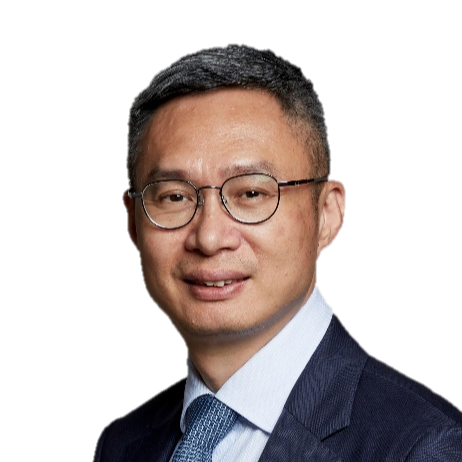
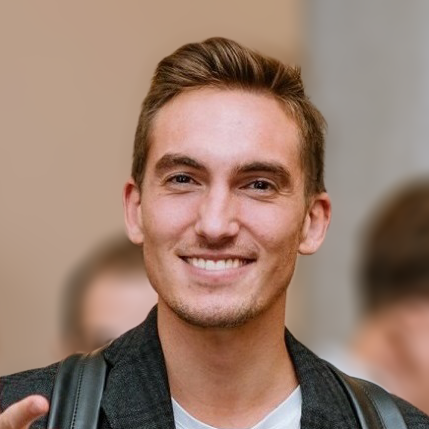
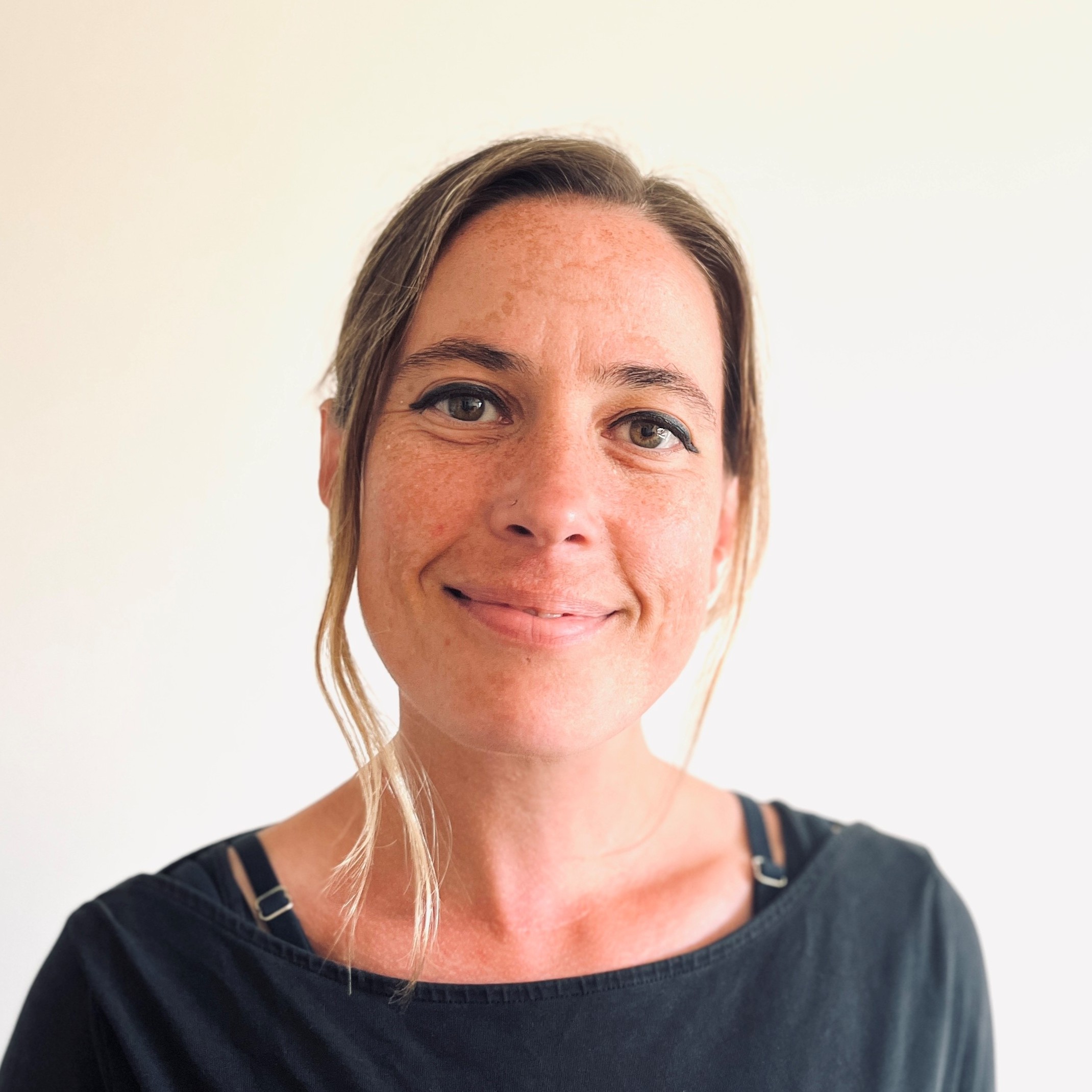
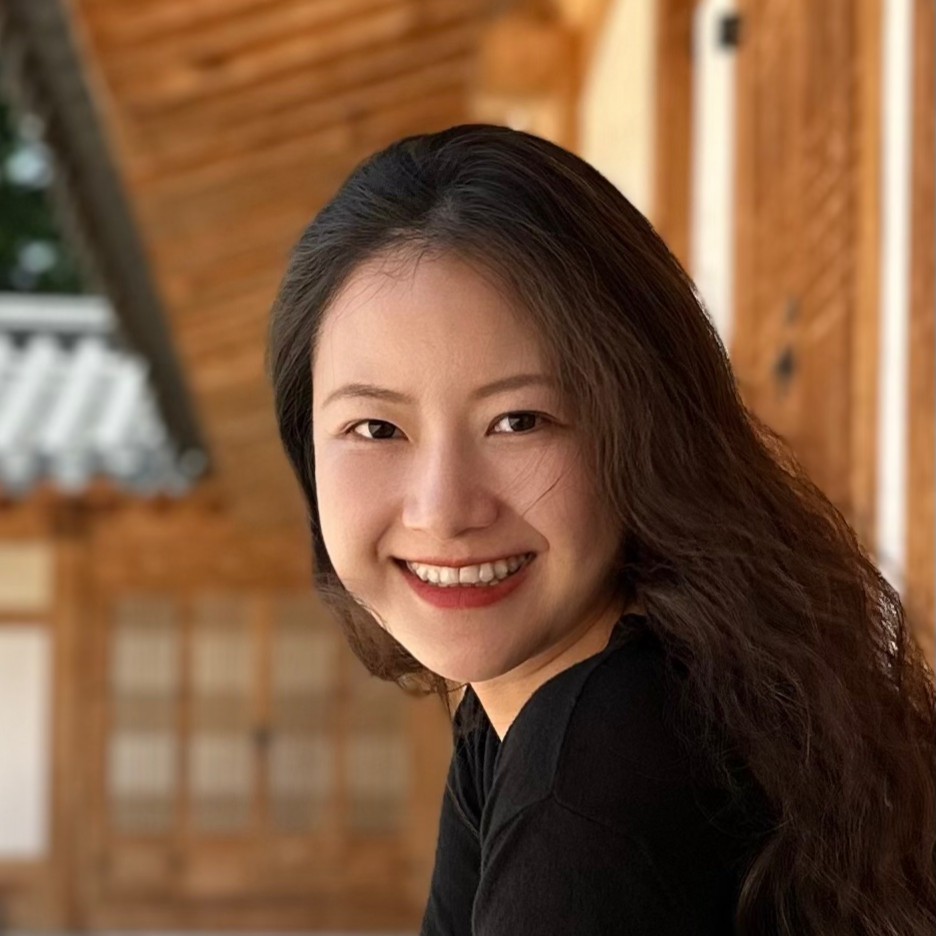
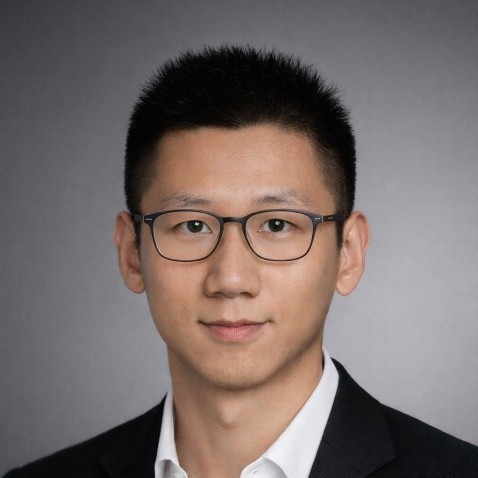
The Clinical Track at ICBME 2026 brings together four very different perspectives on this journey. Dr Steven Kum and Dr Guo Yijia, practicing clinicians working with MedTech, will share what happens when innovation meets the realities of clinical practice, patients and healthcare systems—including the frustrations, failures and lessons learnt along the way. Irene Cheong and Pauline Erica Tay, working within scientific and innovation organisations, will explore the other side of the equation: how funding, research ecosystems and innovation systems can enable—or constrain—the path from an idea to real-world impact.
What to Expect
Expect an honest conversation about what works, what doesn’t, and why—with practical lessons relevant whether you are a clinician, researcher, innovator, funder or healthcare leader. After their sharing they will also engage in a Q&A session – this is an opportunity for real talk on the challenges of working in MedTech in Singapore!
Professor Xiaodong Chen is a Distinguished University Professor at Nanyang Technological University (NTU), Singapore, where he is a Professor in Materials Science and Engineering, with joint and courtesy appointments in Electrical and Electronic Engineering, Chemistry, and Medicine.
His research interests encompass mechanomaterials science and engineering, surface and interface science, flexible electronics technology, and carbon-negative technologies.
Professor Chen has been inducted into the College of Fellows of the American Institute for Medical and Biological Engineering (AIMBE), earning one of the highest professional distinctions accorded to researchers in the field. His outstanding scientific contributions have been recognized with numerous awards, including the Singapore President’s Science Award, Singapore National Research Foundation (NRF) Investigatorship and NRF Fellowship, the Friedrich Wilhelm Bessel Research Award, Dan Maydan Prize in Nanoscience and Nanotechnology, Winner of Falling Walls, and Kabiller Young Investigator.
Prof. Chen is an elected member of the Royal Society, the German National Academy of Sciences Leopoldina, the Singapore National Academy of Science, and the Academy of Engineering Singapore. He serves on the editorial advisory boards of numerous esteemed international journals, including Advanced Materials, Matter, Chemical Reviews, CCS Chemistry, Small, and Nanoscale Horizons. He is currently the Editor-in-Chief of ACS Nano, a globally recognized leading journal in nanoscience and nanotechnology.
Matteo is Senior Editor at Nature Communications.
After receiving his PhD from TU Dresden, he moved to EPFL for a postdoc on soft bioelectronics for neural prosthetics. At Nature Communications, since 2023, Matteo oversees the field of bioelectronics, neural technologies, implants, wearables, and biomedical engineering.
Christine started at Springer Nature in 2017 as an editor for Nature Reviews Materials, where she handled the topics of biomaterials, nanomedicine and bioengineering.
From July 2019, she moved to be a senior editor at Nature Nanotechnology, where she was primarily responsible for the areas of nanomedicine and nanobiotechnology. In January 2021, she became chief editor of Nature Reviews Materials, and since January 2022, she has been chief editor of Nature Reviews Bioengineering. Christine has an MSci and PhD in nanobiotechnology from the University of Natural Resources and Life Sciences, Vienna, Austria. She did her postdoc in the lab of Molly Stevens at Imperial College London, UK, investigating the extracellular matrix and cell–material interactions, and she conducted research at the Karolinska Institute, Sweden, where she studied anti-fibrotic biomaterials in vivo. Christine is based in Berlin, Germany.
Ali first joined Nature Materials in 2007 and, during this time, handled manuscripts in the areas of materials chemistry and biomaterials.
In 2016, as chief editor, she launched the first physical sciences Nature Reviews journal, Nature Reviews Materials and subsequently moved to launch Nature Synthesis in 2022. She returned to the Nature Materials team, as chief editor, in July 2024. Ali has an MSci in chemistry from the University of Cambridge and a PhD in polymer synthesis from Durham University. At Nature Materials, Ali handles manuscripts in the areas of biomaterials, porous materials, membranes and materials chemistry.
Liqian joined the editorial team of Nature in March 2024, where she oversees content in the broad area of biomedical engineering, with a special emphasis on the development of materials and devices towards biological or clinical applications.
Before joining Nature, she championed the content of imaging, diagnostics and devices in Nature Biomedical Engineering since 2022. Previously, Liqian conducted research in DNA nanotechnology, bioelectronics and bioimaging at Oak Ridge Nat’l Laboratory, at Shanghai Institute of Applied Physics (CAS), and at Fudan University. Liqian obtained a PhD in Materials Science and Engineering from Università degli Studi di Roma Tor Vergata in April 2016.
Tao Yang received his bachelor’s degree in materials science and engineering from South China University of Technology (China) and master’s degree in materials science from Drexel University (United States), respectively.
He earned a PhD in Chemical Engineering from The University of New South Wales (Australia) in 2020. Tao was a Postdoctoral Fellow at University of Oxford and Imperial College London before joining Wiley in 2026. He serves as deputy editor for Advanced Science and Advanced NanoBiomed Research and handling editor for Advanced Materials.
Yamin Zhang is an Assistant Professor under the Presidential Young Professorship in the Department of Chemical & Biomolecular Engineering and the Department of Biomedical Engineering at the Nat’l University of Singapore.
Her research centers on ‘electrochemtronics’, integrating electrochemical systems with biological tissues to create innovative healthcare solutions. She has published peer-reviewed articles in high-impact journals, including Nature, Nature Biomedical Engineering, PNAS, Cell Biomaterials, Chemical Reviews, and ACS Energy Letters, as first and/or corresponding authors. She serves on the Advisory Board of Cell Biomaterials and the Early Career Advisory Board of ACS Applied Materials & Interfaces and Chem & Bio Engineering. Her contributions have been recognized with international honors such as the MIT TR35 Innovators (2025) and the MIT ChemE Rising Star (2022).
Before joining NUS, she was a Research Associate (Jul 2023–Jan 2024) and a Postdoctoral Fellow (Feb 2021–Jun 2023) in Prof. John A. Rogers’s group at the Querrey Simpson Institute for Bioelectronics, Northwestern University. She received her Ph.D. degree in Chemical Engineering from Georgia Institute of Technology in 2020.